Overview
Casai operated furnished short-stay apartments in Mexico and Brazil. It combined local design and smart-home features with services intended to make a rental more consistent. Founded by Nico Barawid and Maricarmen Herrerías Salazar, it expanded rapidly after raising venture capital but ceased operations in 2023. Its homes and operations moved to several other operators rather than one disclosed buyer of the whole company.[1][2]
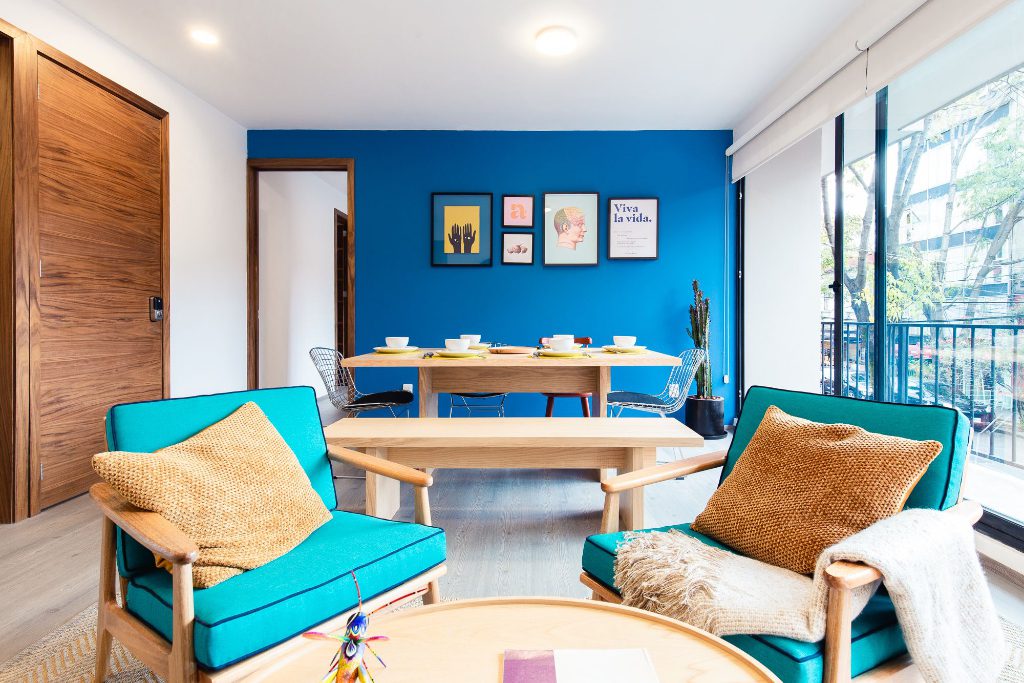
Image 1 / 1
Founding Story
Casai started in Mexico City around 2019. Barawid described the opportunity as a gap between predictable hotels and home rentals with less consistent quality. The company selected apartments, furnished them and offered technology such as smart locks and connected devices. Its local design and guest service were part of the offer, not merely a listing platform.[3][4]
Timeline
- 2019: Casai began in Mexico City.
- 2020: It announced $23 million of equity and up to $25 million in debt, with Andreessen Horowitz leading the equity round.
- 2021–22: It expanded in Brazil, acquired businesses and merged with Brazilian operator Nomah.
- 2023: It wound down its Brazil operation and transferred the remaining portfolio to other operators.[1][2][5]
What They Built
Casai selected and designed apartments, equipped them for short stays and managed guest operations. Its technology supported access, pricing and operations, while locally sourced furnishings helped distinguish the rooms. The result depended on physical upkeep and service as well as software.[4][5]
Market Position
Target Customers
Travelers seeking furnished apartments with consistent service.
Market Size
The sources reviewed do not establish a reliable addressable market estimate for this company.
Competition
The company sought travelers who wanted the space and character of a rental with more predictable service. It competed with hotels and rental platforms as well as other operators managing furnished apartments. Casai acquired Brazilian rental and access-control businesses and merged with Nomah as it expanded. These moves added scale and operating complexity.[2][6]
Business Model
Casai operated accommodation and earned revenue from stays. By the end of 2022, Barawid said about 70% of its portfolio used revenue-share or property-management arrangements. Those arrangements differ from fixed leases and affect which party bears occupancy risk; the available account does not establish economics for each property.[1]
Traction
Barawid said the company reached nearly $30 million in annualized revenue at its peak, with around 1,600 live units across 50 buildings and another 2,000 signed in its pipeline. Annualized revenue is a run rate, not a full-year result; signed units were not yet operating. He also reported that more than a quarter of guests in a three-month period had stayed before. These are founder-reported measures, not independently audited figures.[1]
Post-Mortem
Operating constraints and outcome
The pandemic temporarily reduced occupancy from 90% to 30%, according to Barawid. He later said Casai had expected one more funding round to reach company-wide profitability, but investors had become less willing to finance the model. He reported approximately 25% margins at the operating level and an anticipated path to profitability; that is not a claim that the company had already achieved full-company profit.[1]
In retrospect, Barawid said fragmented payment schedules and many small expenses made cash forecasting difficult. He also said he would have slowed hiring and some deals sooner had he assumed no further capital would arrive. His account is a founder's interpretation of the decisions, not proof that any single change would have saved the company.[1][6]
In July 2023 Barawid said the operations and portfolio had been sold or transferred among several operators, including Blueground, Charlie, Wynwood House, Capitalia and Oasis Collections. The public account does not establish one whole-company acquisition price.[1]
Key Lessons
- Property margins differ from company profit. Casai’s founder reported positive operating margins but still needed funding for the wider company.
- Cash timing matters. Many expenses and channel payout schedules made forecasting difficult.
- Expansion assumed more capital. Barawid later said he would have slowed hiring and deals sooner without that assumption.
Sources
- Casai founder retrospective, Nico Barawid, 2023.
- Casai ceases operations, Serviced Apartment News, 2023.
- Casai funding report, Crunchbase News, 2020.
- Investing in Casai, Andreessen Horowitz, 2020.
- Series A announcement, Casai, 2020.
- Founder reflects on closure, PhocusWire, 2023.