
Checkars
Winter 2020AcquiredE-commerce site where you can buy certified used-cars in Latin America
Pressure-test this opportunity
Explore the risks and possibilities with a prompt for ChatGPT, Claude, or your agent.
E-commerce site where you can buy certified used-cars in Latin America
Explore the risks and possibilities with a prompt for ChatGPT, Claude, or your agent.
Checkars was Argentina's first online dealer for inspected used cars with a warranty. It bought each vehicle into inventory, checked its legal and mechanical condition, repaired it, published a fixed-price listing, handled paperwork and financing, delivered the car, and allowed returns.[1] That operating model addressed the two problems classifieds could not solve: the seller might know more than the buyer, and neither party wanted to manage an uncertain transfer.
The company moved quickly. Founded in 2018 by former OLX automotive leaders Jaime Macaya and Juan Cruz de la Rúa, it raised seed capital, joined Y Combinator's Winter 2020 batch, passed 1,000 transactions in its first 18 months, and reported a net promoter score above 85.[2] It then merged with, or was acquired by, Mexican used-car company Kavak in August 2020, giving Kavak its first international market and converting Checkars into Kavak Argentina.[3]
The transaction was an operating success rather than a rescue. Checkars had proved that Argentines would buy a costly asset online, and COVID-19 pushed its sales from a mostly physical flow to fully digital. Kavak supplied the regional capital and systems needed to scale inventory, reconditioning, financing, and logistics. Both founders joined Kavak's board, and Macaya became its Argentina CEO.[4]
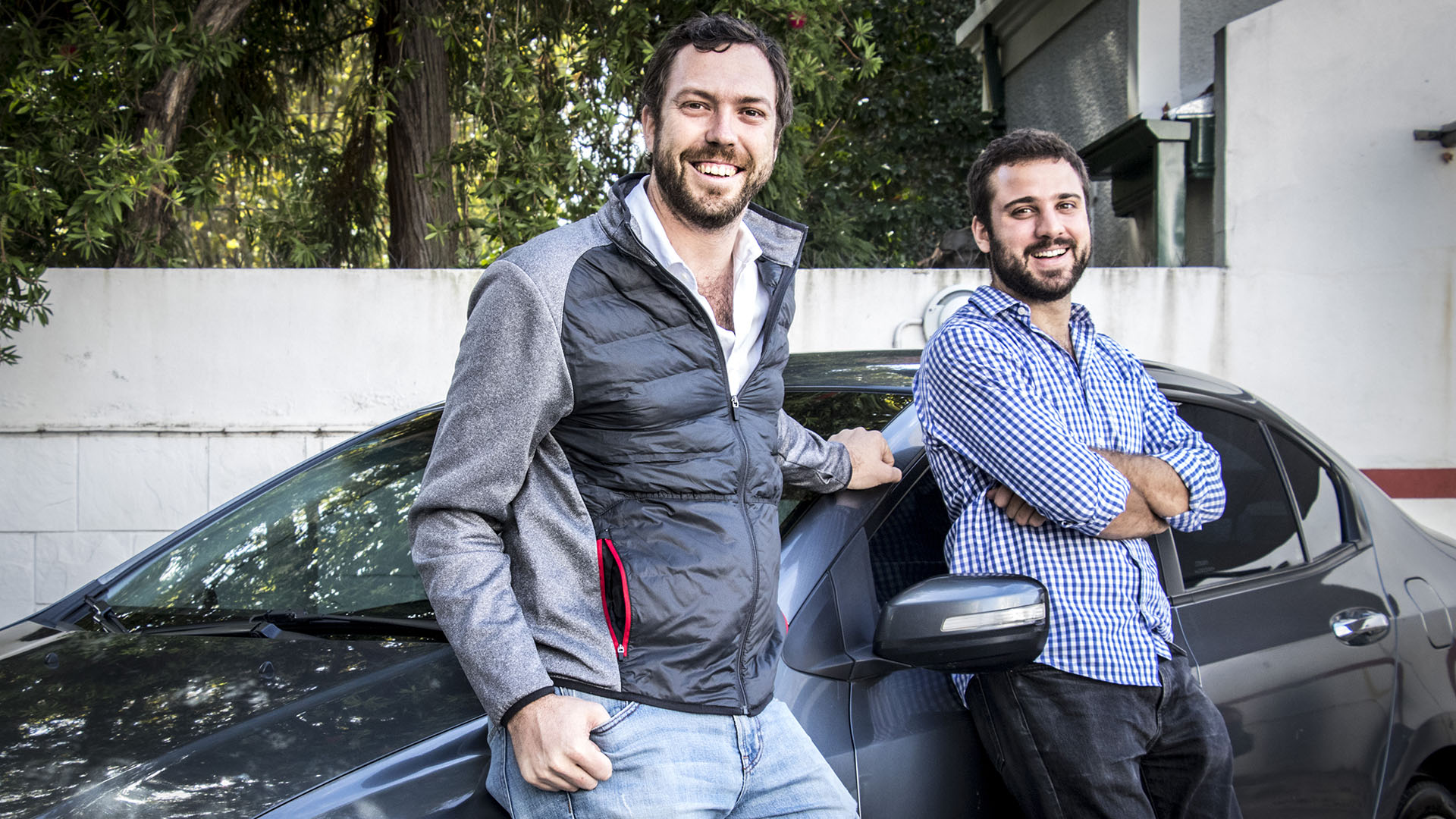
Macaya and de la Rúa met while leading automotive work at OLX in Latin America. Classifieds generated leads but left inspection, price negotiation, payment, title transfer, financing, and delivery to strangers. The founders saw that gap every day. In September 2017 they left OLX, spent roughly 90 days defining the new company, and ran their first buy-and-sell tests in February 2018. Checkars was operating by May.[5]
Their backgrounds matched the problem. Macaya had studied international relations, completed an MBA at Columbia, and worked in consulting before running OLX verticals. De la Rúa was an industrial engineer who had worked at Google before OLX and took charge of operations.[5]
They began with about $100,000 from selling their own cars and taking family money. The first outside round brought $1 million from nine strategic angels, including former Peugeot-Citroën Argentina president Luis Ureta Sáenz Peña, fleet-management executive Arturo Simone, and IguanaFix founder Matías Recchia.[6] Industry capital helped with both credibility and the practical knowledge required to price and recondition cars.
Checkars replaced a lead-generation marketplace with a managed transaction. A seller received an offer and transferred the car to Checkars. The company checked documentation and mechanical condition, made repairs, and became the counterparty to the buyer. The listing came with standardized information, a mechanical coverage certificate, paperwork management, delivery, financing options, and a return period.[10]
Owning inventory made the promise credible. Checkars could set a price, disclose condition, control preparation, and honor a return without waiting for a private seller. It also put capital at risk on every car. The company had to buy well, turn inventory quickly, forecast repair cost, prevent title problems, and match financing demand.
The model used a physical showroom in Martínez alongside online commerce. Before the pandemic, roughly 80% of purchases included a physical path and 20% were entirely digital. During Argentina's lockdown, the showroom closed for months and the mix became fully digital.[1] The crisis validated the online flow immediately before the Kavak deal.
Checkars served Argentine buyers who wanted the convenience of a marketplace and the accountability of a dealer, plus sellers willing to trade some theoretical private-sale price for speed and certainty. Financing extended the product to buyers who could not pay cash. The company focused first on Buenos Aires and vehicles it could inspect, own, and resell predictably.
In 2018, Checkars estimated roughly two million annual Argentine used-vehicle transfers and $15 billion in sales, while later acquisition coverage cited about 1.5 million annual transactions.[6][1] The category remained large: Argentina's Automotive Commerce Chamber reported a record 1,887,024 used-vehicle sales in 2025.[11]
Checkars competed with private listings on OLX and Mercado Libre, neighborhood dealers, brand-affiliated agencies, and other inventory-owning platforms. Classifieds had broad supply and low capital requirements but did not guarantee the car or coordinate the transfer. Traditional dealers offered a counterparty and showroom but varied widely in process and transparency.
Kavak had built the same integrated model in Mexico at greater scale. That made it both the closest competitor and the logical acquirer. The combination avoided a capital race between two regional companies with nearly identical inspection, inventory, finance, and reconditioning systems.
Checkars earned a spread between its purchase and resale price, with financing and related services supporting the transaction. Macaya said a traditional used-car dealer could carry a gross margin around 30%, while Checkars operated near 15% gross margin.[1] The lower spread was part of the customer offer, but the company still had to fund the full vehicle price and absorb repairs, storage, depreciation, and sales timing.
This was ecommerce with a balance sheet. Software improved sourcing, pricing, inspection records, financing, and customer communication. Working capital determined how many cars the company could carry. De la Rúa later said Checkars raised $1.5 million across equity and debt and that obtaining capital to buy cars was its hardest problem in Argentina's unstable economy.[12] That total is lower than the sum of press-reported round headlines, so exact capital raised remains uncertain.
Early throughput rose from 60 cars in six months to 220 by August 2019, then more than 1,000 transactions in the first 18 months.[6][7][2] The YC profile's NPS above 85 suggests customers valued the managed experience, though the company did not publish the survey sample or method.
Another founder interview reported 1,500 transactions and $8 million of 2019 revenue, but that figure was republished through a university page and could not be independently audited.[13] The strongest traction proof is the deal itself: Kavak used Checkars as its entry into Latin America's third-largest vehicle market and retained the founders in leadership.
Checkars exited because its local operation fit a better-capitalized regional platform. Macaya later said the teams shared the same mission and concluded they could go farther together.[14] The company had validated demand, inspection, reconditioning, inventory turns, and online transfer. Kavak needed an Argentina team and facilities. Checkars needed much more capital to grow a vehicle balance sheet.
Published accounts disagree on the $10 million attached to the transaction. Exame called it the acquisition value; LA Nacion described a merger followed by $10 million of planned Argentina investment over two years.[3][1] No primary deal document discloses cash, stock, ownership, or investor proceeds. The defensible outcome is a completed combination and brand conversion, not a precise founder payout.
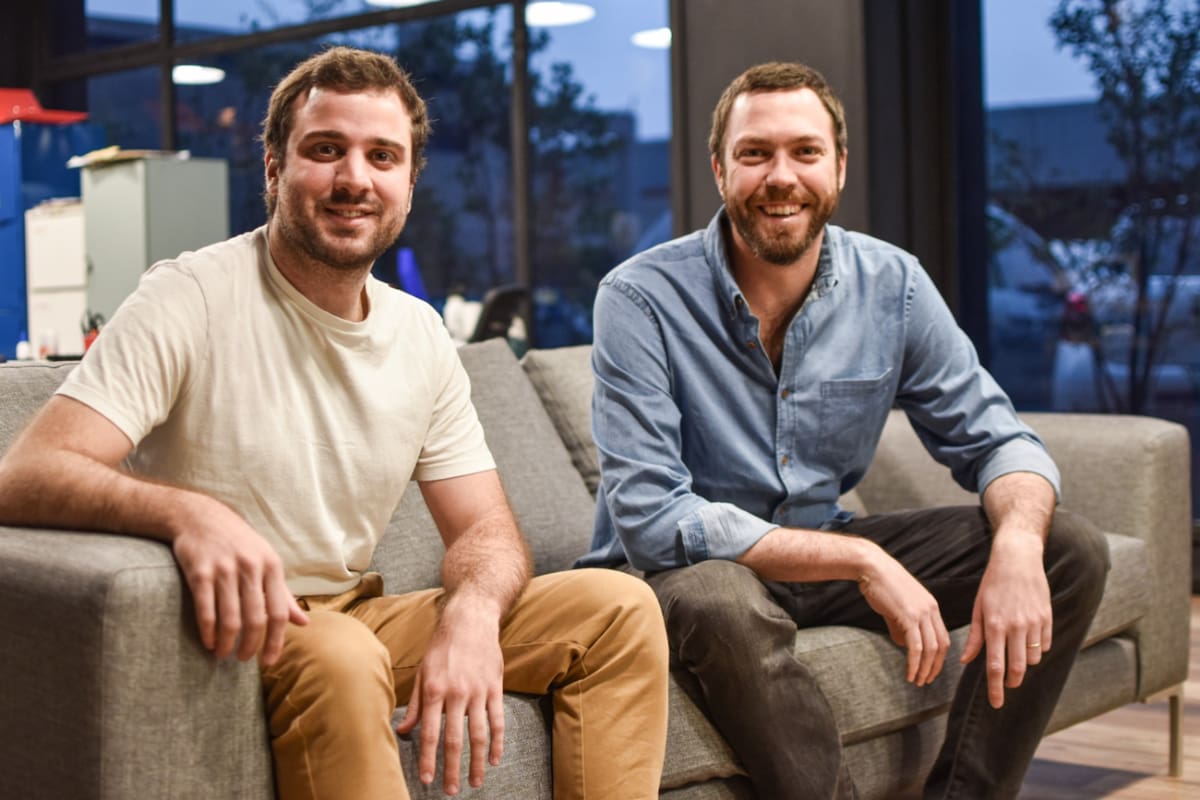
The merger also shows why a successful local marketplace may rationally stop being independent. Geographic expansion requires new inspection sites, repair capacity, inventory capital, lenders, title expertise, and brand trust in every market. Combining those fixed systems can create more value than duplicating them.