Overview
Hello's Sense offered a clear benefit: learn about sleep without wearing a device overnight. A bedside sensor and a clip on the pillow turned room conditions and movement into an app-based sleep score. Its crowdfunding success established interest in that promise. Sustained value depended on reliable sensing, useful feedback, and a service that remained available after the hardware sale. [1][2]
Founder James Proud announced Hello's coming shutdown on June 12, 2017. At that point he still hoped to find a home for Sense and could not confirm whether its service would stop. Company closure and the exact end of device service therefore need separate dates. Public code repositories survive, but they do not establish a maintained consumer service. [3][4]
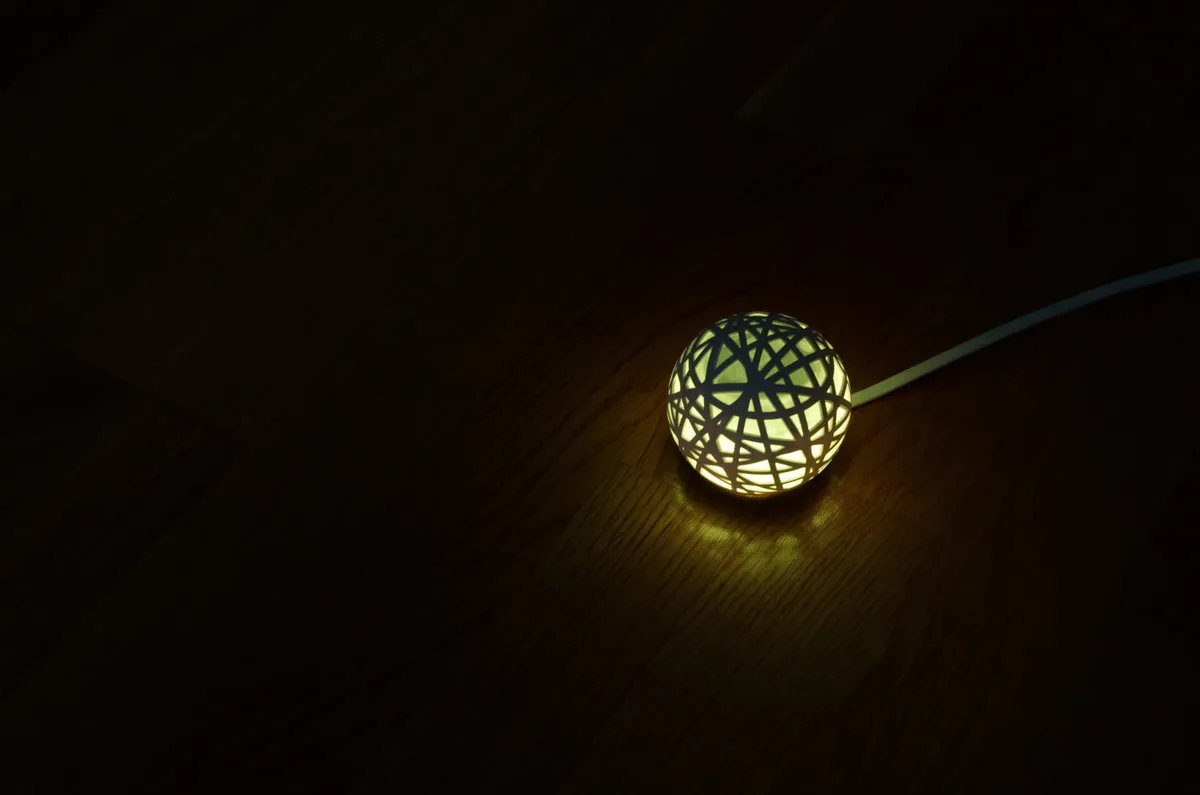
Image 1 / 1
Founding Story
Proud founded Hello in 2012. He was an early Thiel Fellow, building in San Francisco after beginning his career in Britain. Contemporary reporting places the company among consumer hardware ventures that attracted prominent investors before proving a repeatable retail business. [5]
Hello first worked on a wearable. A January 2017 Forbes profile describes Proud abandoning that direction after questioning whether people would keep wearing the product. Sleep suggested a narrower job for a device that could remain in the bedroom. Proud asked Forbes, “So what do you do?” The pivot discarded substantial development work, but also avoided competing through a product the founder no longer believed in. [6]
The commitment was personal. In his shutdown notice, Proud wrote, “Hello has been my whole life for five years”. That establishes his connection to the company; it does not explain its finances. The report must test the product and business mechanisms separately from the founder's confidence. [3]
Timeline
- 2012: Proud founded Hello. [5]
- July–August 2014: Sense's Kickstarter campaign raised $2,410,741 from 19,349 backers against a $100,000 goal. [1]
- 2015: The product reached reviewers; its hardware, app, and hosted processing were all part of the experience. [2]
- 2016: Sense expanded retail distribution and added a voice-enabled version. [7][8]
- June 12, 2017: Proud announced the company would shut down while seeking a home for Sense. [3]
- October 2026 review: Hello's public repositories remain accessible; this review establishes no active original-company consumer service. [4]
What They Built
Sense combined a bedside base unit with the Sleep Pill, a motion sensor attached to a pillowcase. The base monitored factors including light, temperature, humidity, noise, and airborne particles. An Android or iOS app displayed the resulting information and controlled alarms and ambient sounds. A colored glow offered a quick indication of room conditions. [2]
The product's appeal came from remaining in place. A user did not need to remember a wristband or charge another wearable every evening. The system still required a powered base, a working connection, a paired pillow sensor, and usable software. Reducing one daily task therefore left several dependencies behind the simple exterior.
The 2016 voice update added another interaction method. The company had to make a bedside product useful through both sensing and controls, while preserving the original sleep-monitoring job. [8]
Retail created a second test beyond crowdfunding. Contemporary coverage documented plans for Target and Best Buy and a $129 price for the earlier product. Attractive display hardware could help explain Sense, but shelf presence did not establish repeat use or profitable sell-through. [7]
Market Position
Target Customers
Sense addressed people who wanted to understand sleep and bedroom conditions without wearing a tracker. It also competed as a premium alarm and ambient-sound device. A purchase could be motivated by curiosity, convenience, or dissatisfaction with sleep. Those reasons need different evidence of continuing value.
Market Size
The verified crowdfunding total measures pledged dollars and backers. It is not a market-size estimate, audited revenue, or retained-user count. No reliable whole-market calculation or company-wide repeat-use series was established.
Competition
Wearable trackers, bedside monitors, phone alarms, and sound apps overlapped with different parts of Sense. A dedicated device had to provide enough additional value to justify its price and setup. One favorable 2016 review compared Sense with Beddit and ResMed products, while praising its design and alarm behavior. That review shows the product was not uniformly rejected. [9]
The category remains occupied. Withings currently lists its UK Sleep Analyzer at £129.95, with an optional subscription. Oura lists US membership at $5.99 monthly or $69.99 annually, alongside separately purchased hardware. Current alternatives make an unsupported claim that passive sleep tracking is an empty market untenable. [10][11]
Business Model
Hello sold hardware with continuing connected services. Forbes reported roughly $40 million raised, much of it at a $250 million valuation. Other contemporary accounts differ over round sizes and totals, so those figures should remain approximate. No audited gross-margin, support-cost, or cash-flow series was established. [6]
The commercial tension is clear even without those accounts. A one-time purchase creates an expectation that an alarm and historical sleep records remain usable. Hosted processing adds continuing costs and makes company survival part of the product's reliability.
Traction
The Kickstarter campaign provides direct evidence of demand for the proposed experience. It does not establish that later buyers retained the device or that the economics supported a growing company. Independent reviews differed sharply: TNW praised its experience, while Daniel Aleksandersen documented problems during extended personal use. Those are individual observations, not a representative failure-rate measurement. [1][9][12]
Outcome and evolution
Proud's June 2017 notice said the team was still “working hard to find the right home for Sense”. It also promised instructions for export and account deletion and said Hello could not refund direct purchases. These were commitments made at shutdown, not proof that every customer later received an export or that a buyer took over. [3]
Aleksandersen's later review reported a persistent pillow-sensor battery warning, undelivered notification features, and alarm behavior that did not work for him. He had stopped using Sense before the closure announcement. That sequence matters: cloud-service risk compounded an experience that already failed this particular user's needs. It supports examining retention and reliability, while leaving population-wide conclusions unresolved. [12]
The narrower structural mechanism is a weak link between measurement and recurring usefulness. A score could attract attention, but the user still needed a useful action, reliable daily behavior, and confidence in service continuity. Hello added interfaces and retail reach; the reviewed record does not show that those additions fixed those needs for enough customers.
Public Hello repositories now include sleep-data processing, firmware, messaging, and mobile clients. Their existence corrects an overly broad claim that no code was released. This review did not establish a complete licensed deployment path, working replacement service, or successful modern-device connection. [4][13]
Key Lessons
- Hello removed the burden of wearing a tracker. The remaining connection and software dependencies still needed a reliable everyday experience.
- Crowdfunding proved interest in the promise. It could not establish retained use or profitable retail distribution.
- Positive and negative reviews coexisted. A useful diagnosis should examine the failed jobs and limits of each observation.
- A connected alarm's service lifetime is part of its value. Export promises and public code do not establish a working consumer replacement.
- A rebuild needs a narrow useful action beyond another score. Current Withings and Oura products already cover substantial parts of sleep tracking.
Sources
- Original Kickstarter campaign
- First-person Sense system review
- Proud's shutdown notice
- Hello's public code repositories
- Contemporary company-background reporting
- January 2017 founder profile
- Retail launch coverage
- Voice-version launch coverage
- Favorable 2016 hands-on review
- Current Withings UK product and pricing
- Current Oura membership
- First-person later review
- Suripu processing repository