Overview
InVision made it easier to discuss software before engineers built it. Designers could turn screens into a clickable prototype, share it with other people and collect feedback. Its June 2011 launch addressed a practical gap between making a design and agreeing what the finished product should do. [1]
In December 2018, TechCrunch reported $115 million raised at a $1.9 billion valuation, bringing cumulative funding to $350 million. [2]
The original services ended on December 31, 2024. One product had already taken a separate path: Miro acquired Freehand’s technology, brand assets, customer relationships and associated team in 2023. That transaction did not keep the original Freehand service running indefinitely; its features and customer work transitioned toward Miro. [3], [4]
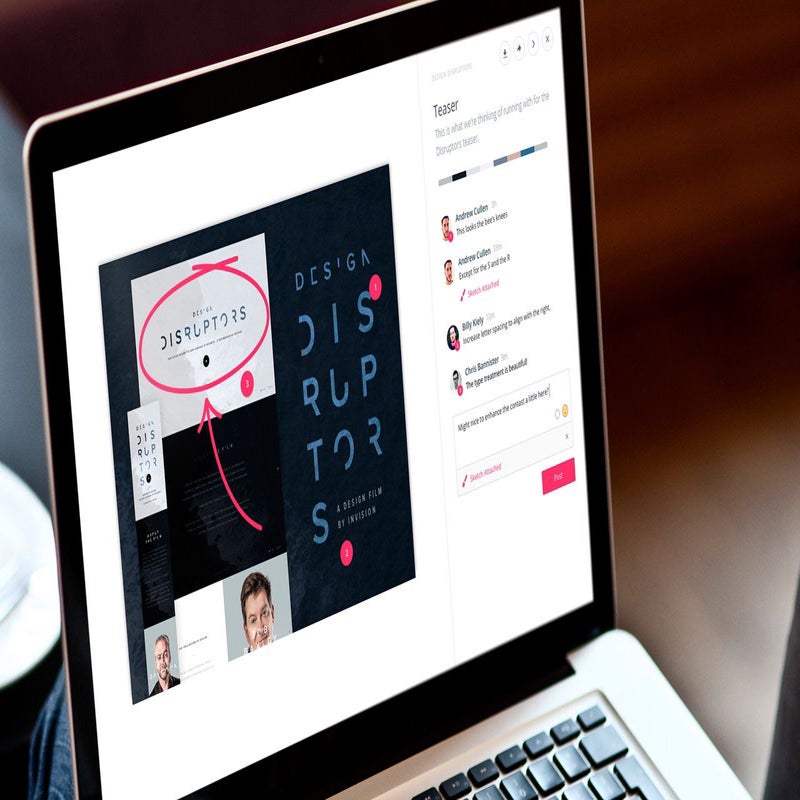
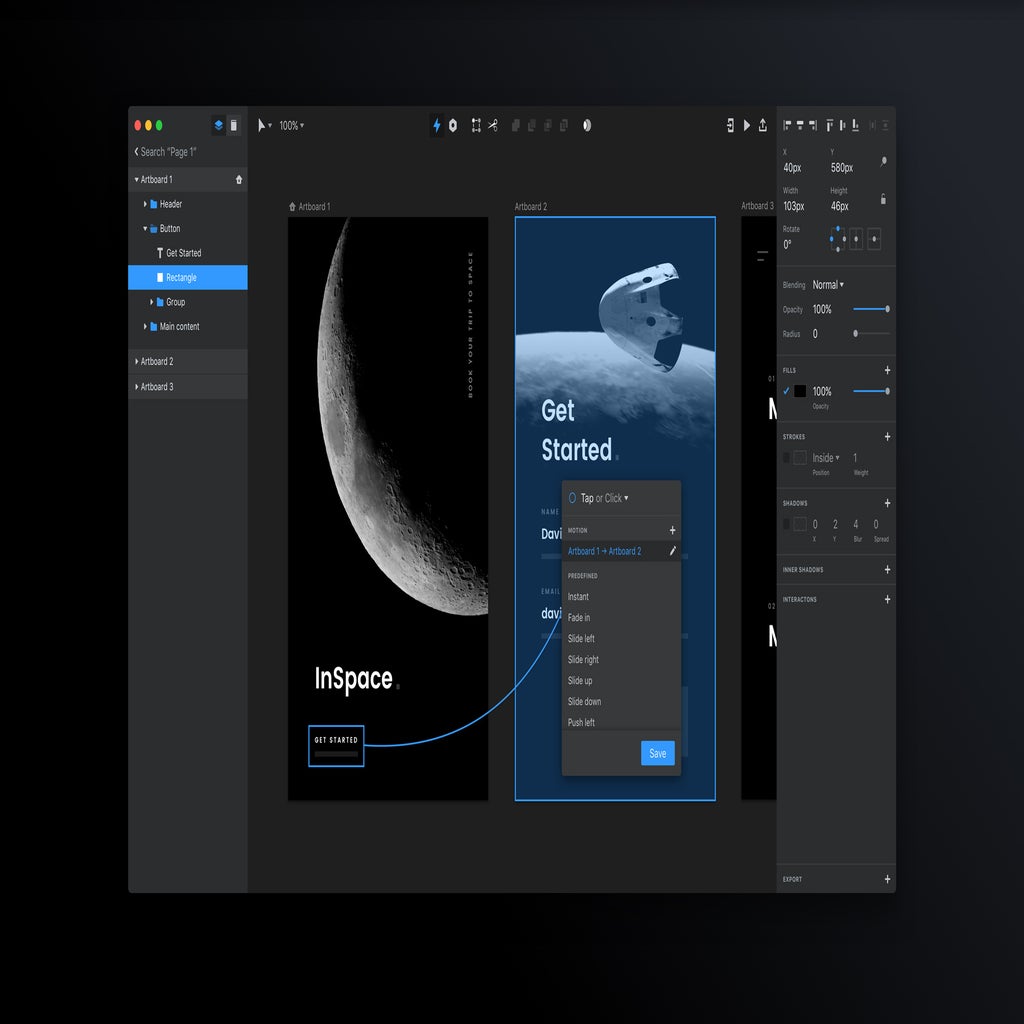
Image 1 / 2
Founding Story
Clark Valberg and Ben Nadel founded InVision. Investor Accel identifies both founders. Nadel’s own account traces the product to their work together at Epicenter Consulting, where they explored prototyping and ways to involve clients in software decisions. His founder page dates InVision to 2011. [5], [6]
In Fast Company’s retrospective, Valberg described an internal tool for turning Photoshop designs into browser simulations. He recalled: “The first paid subscription was launched on my wedding day.” In the 2012 company announcement, Valberg said funding would help “set a course for rapid growth.” [1] [7]
Timeline
- June 2011: InVision launched its prototyping tool. [1]
- February 2012: It announced $1.5 million in seed financing, led by FirstMark. [1]
- July 2017: Figma added native prototyping and developer handoff. [8]
- August 2018: Atlassian announced a strategic investment and deeper integrations with InVision. [9]
- December 2018: A major financing valued the business at $1.9 billion. [10]
- November 2023: Miro acquired Freehand assets, customer relationships and associated talent. [11]
- January 2024: The companies explained the planned December retirement and migration path. [4]
- December 31, 2024: InVision services ended; standalone Freehand access and migration-token generation also ended. [3], [12]
What They Built
The original product let designers use their existing design software, then make screens interactive and gather feedback online. A prototype could include people outside the small group that created the screens. Its 2012 release named early customers and described hundreds of customers, although those were company-reported adoption claims. [1]
Studio let designers create designs and connect artboards into interactions. Design System Manager organized shared design assets. The historical company images show how the portfolio extended beyond reviewing exported screens. [7]
Its tools also connected with work outside the design editor. Atlassian described existing Jira, Confluence and Trello integrations used by thousands of teams, then announced plans to deepen them. The commercial partner’s account confirms an actual ecosystem relationship rather than an imagined list of integrations. [9]
Market Position
Target Customers
The buyer’s problem involved several roles: designers presenting an idea, product managers coordinating decisions and engineers implementing the result. An executive or customer could review the experience without learning a design editor. InVision’s initial pitch emphasized widening the group that could provide useful feedback before development. [1]
Market Size
By late 2018, SiliconANGLE reported more than five million users and use at 97 Fortune 100 companies. These figures indicate reach, but user registrations and company logos are different from paid seats or recurring revenue. They cannot establish how much each account contributed or how many people continued using the product. [10]
Competition
The basis of competition changed when a design editor could also handle prototyping and handoff. Figma’s July 2017 release explicitly offered those functions in the same environment, with updates to designs reflected in presentations. This reduced the need to export or synchronize work between separate applications. The primary announcement shows the workflow change without requiring a claim that one feature alone caused InVision’s decline. [8]
Business Model
InVision used subscriptions to sell its collaboration workflow. Its commercial task was retaining paying teams as their design tools absorbed more of the same work. Audience reach alone could not protect that role. [7]
Partnerships could strengthen the surrounding workflow. Atlassian invested as well as integrating its products, but the announced relationship did not make it the buyer of InVision or guarantee the startup’s future. The companies did not disclose the investment amount in the partner announcement. [9]
Traction
The financing and commercial partners establish that InVision was a substantial business, rather than merely a popular design experiment. The later outcome does not erase the earlier value of showing and discussing an unfinished interface. It does show that a widely adopted collaboration layer must continue earning its place when the underlying authoring tool changes. [10], [9]
Outcome and evolution
In Fast Company’s interviews, Valberg and former staff said a prolonged platform rebuild consumed engineering effort while the working product received fewer improvements. This participant testimony supports an execution problem, while leaving the complete allocation of spending and causes of decline unresolved. [7]
Miro’s November 2023 announcement identifies the scope of its purchase: Freehand technology and brand assets, customer relationships and associated talent. Jeff Chow and the core Freehand team moved to Miro. The purchase consideration was not disclosed in that release, so the transaction cannot establish an investor return or prove that Miro bought all of InVision. [11]
The transition also had limits for customers. Miro offered migration and continued use of features through its platform. Its help documentation says some smart widgets became static images and comments, reactions and prototypes were not fully carried over as working objects. It also states that original Freehand access ended on December 31, 2024. A migration needed verification at the level of the customer’s actual work, not merely confirmation that a board existed in the destination. [4], [12]
InVision later confirmed that its services had closed. Final corporate dissolution, total cash consumed and distributions to investors are not established by these announcements. The supported outcome is retirement of the original hosted products alongside a separate Freehand transfer and migration. [3]
Key Lessons
-
Protect the workflow customers use today. A long platform rebuild must still leave room to improve the working product. Ship useful changes while larger work proceeds.
-
Watch the reason for a separate tool. If an authoring platform absorbs review, prototyping and handoff, integrations alone may not preserve the value of another subscription.
-
Verify migrations through real work. A copied board may lose comments, editable widgets or connected prototypes. Test the pieces that make the artifact useful.
-
Describe the transaction precisely. Product assets, people and customer relationships can transfer while other services close. An acquisition headline does not define every product’s fate.