Overview
Founded in 2013, Juicero tried to make fresh juice as habitual as capsule coffee. It removed preparation and cleanup from the kitchen by moving those jobs into its own food-processing and delivery operation. That trade explains the business better than the spectacle of an expensive press: every easier morning for the customer required a reliable supply of proprietary, perishable packs. [1]
The company suspended sales in September 2017 and sought a buyer with a national fresh-food supply chain. A contemporary court order independently records the board's decision to suspend production and sales. The hand-squeezing controversy exposed a weak hardware proposition, but the company's closing account points to a broader manufacturing and distribution burden. [2] [3]

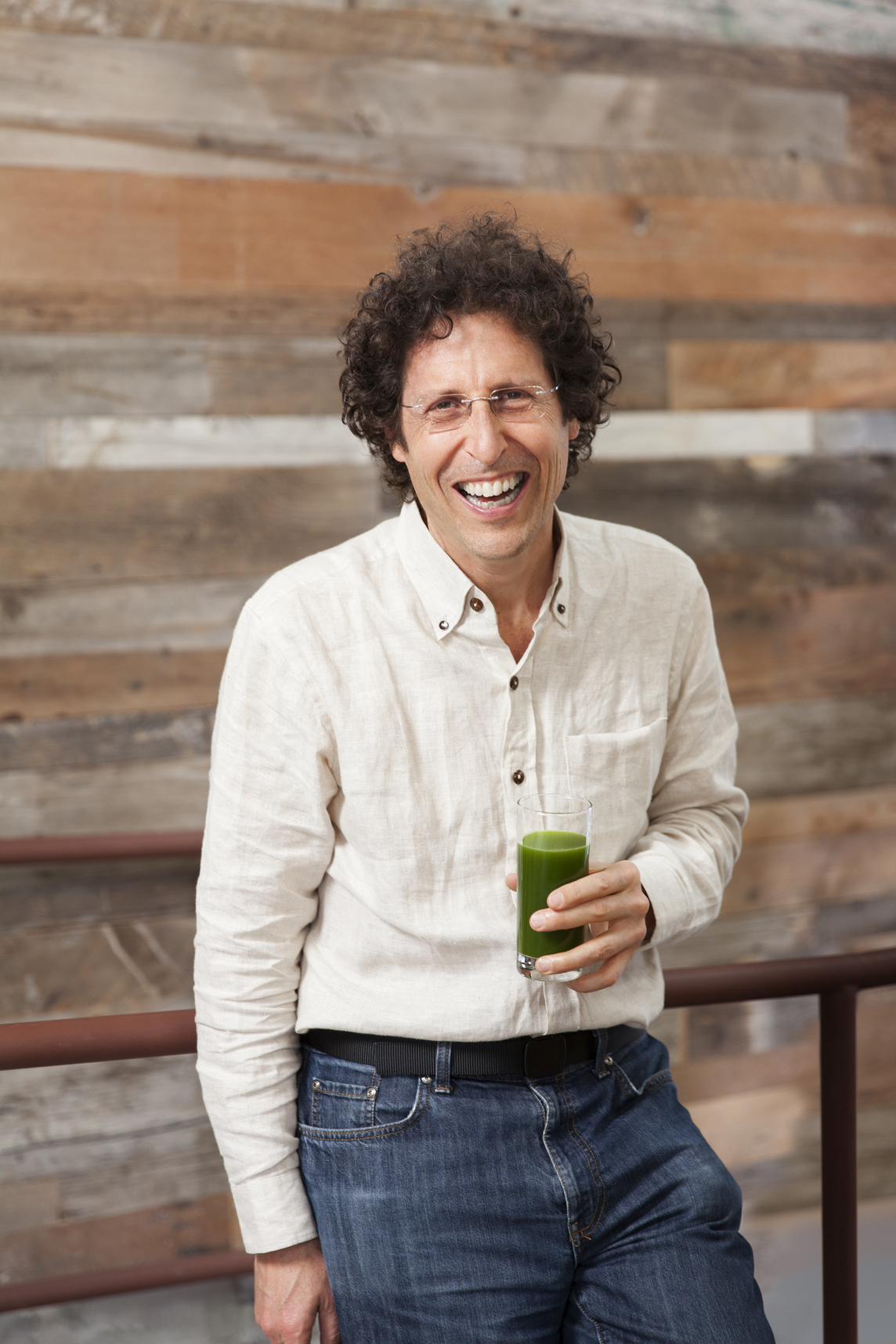
Image 1 / 2
Founding Story
Doug Evans came from Organic Avenue, where he had worked with commercial cold presses and fresh produce. After leaving, he wanted comparable juice at home without cleaning a conventional juicer. His early prototype pressed chopped produce wrapped in cheesecloth. Juicero's corporate history begins in 2013, according to the court record. [1] [3]
Evans told BevNET: “There is a two-step process for cold-pressed juicing.” His point was that preparing produce and applying pressure are separate operations. In The Spoon interview, he recalled the problem after leaving Organic Avenue: “When I got home, I was wondering like where am I going to get my juice.” He wanted a countertop press with easy cleanup. [4] [1]
By launch, the company combined engineers, food scientists, machinery, software, and a large refrigerated processing facility. Controlling ingredients and the machine promised a consistent drink. The commercial risk came from having to fund and coordinate all those parts before proving frequent household use. [4]
Timeline
- 2013: Juicero founded; Evans developed the original press concept. [3]
- March 31, 2016: Public launch, with a $699 machine and subscription produce packs. [4]
- 2016: The company appointed former Campbell executive Jeff Dunn CEO. The appointment took effect October 31; Evans remained chairman. [5]
- January–March 2017: Juicero cut the press price from $699 to $399, then tested self-service in 11 Whole Foods stores. [6]
- April 2017: Bloomberg's hand-squeezing demonstration prompted a public defense and refund offer. [7]
- August 31–September 1, 2017: Board suspension decision followed by public closure notice. [3] [2]
What They Built
Customers loaded a prepared pack and pressed a button. Juice left the pack without touching the pressing surfaces, removing most cleanup. Customers could not refill Juicero's proprietary packs. [3]
QR codes linked packs to freshness information, while the app managed deliveries. In his April 2017 defense, Dunn described a roughly eight-day produce lifespan, recall disabling, and reminders before expiration. These were real service features, although the company's safety claims were not independent validation. The customer experience relied on continuing food deliveries and connected software. [10]
Bloomberg's demonstration, described in contemporary Ars reporting, showed that hands could extract a similar quantity of juice from a pack. Dunn defended the convenience and freshness features rather than denying hand extraction was possible. The machine's physical task could be substituted cheaply, while the prepared-food system still supplied some convenience. Buyers had to value that remaining convenience enough to accept both the appliance price and recurring pack purchases. [7]
Market Position
Target Customers
The initial household buyer already cared about fresh cold-pressed juice and disliked the work required to make it. Commercial locations offered another route: concentrate repeated demand in one place, where an appliance could serve many customers. Contemporary coverage documents placements in Le Pain Quotidien, Whole Foods' 365 Markets, and corporate offices. Live Nation's headquarters was one named office customer. Those placements show a distribution experiment; they do not establish profitable density. [8]
Market Size
The relevant market was narrower than all fruit-and-vegetable consumption. Customers needed willingness to pay for fresh juice, counter space, recurring deliveries, and proprietary packs. No reliable paid-household base, retention cohort, or addressable-contract estimate was established. A broad beverage-market number would conceal those constraints.
Competition
Bottled juice removed preparation without requiring a new machine. Conventional juicers accepted ordinary produce but required work and cleanup. Juicero positioned itself between them. Its closed packs made the experience consistent while limiting flexibility and making the customer's appliance dependent on the supplier's survival. That dependency became concrete when pack production stopped. [4] [2]
Competitor Juisir used reusable bags filled by users. Juicero sought a preliminary patent injunction, which the court denied. This was not a final infringement verdict. Juisir separated the press business from the produce supply. [3]
Business Model
Juicero raised more than $120 million by January 2017. It collected an upfront appliance payment and recurring pack revenue. January 2017 coverage priced packs at $4–$10, depending on variety. The model could benefit from repeated usage, but repetition also required sourcing, refrigeration, processing, packaging, and delivery. Hardware installations alone could not establish attractive unit economics. [11]
Campbell Soup's involvement supplied food-industry credibility and executive experience. It did not remove Juicero's standalone operating burden. Verified margins, cash burn, and paid retention remain unavailable here, so no modeled profitability claim follows from the investment roster. [5]
Traction
The closing letter says Juicero sold more than a million packs. That is evidence of consumption, not the number of households, repeat purchase rates, or profit per serving. Demand and an unsustainable operating structure can coexist. [2]
Dunn had also reported an average of ten packs shipped per customer per week in January 2017. He said a discounted promotion doubled the user base in one day. These management claims suggest that price affected adoption and some customers used the service repeatedly. Without the starting customer count, retention cohorts, or gross margin, they cannot establish broad demand or profitable acquisition. [11]
Outcome and evolution
As of this October 23, 2026 review, the original operation's 2017 suspension is documented. A completed acquisition, legal dissolution, and later intellectual-property ownership remain unverified. [3]
The strongest explanation combines weak incremental hardware value with a costly supply chain. Evans had identified produce preservation as the difficult part in his December 2016 BevNET Live talk. The operational constraint therefore preceded the viral demonstration. [12] Public ridicule may have damaged trust or fundraising. It cannot be isolated as the sole cause from the observed record. A product that removed kitchen labor still had to prove the economics of performing that labor elsewhere.
Key Lessons
- Juicero transferred work from the customer to the company. Assess the cost of every task removed from the user's experience.
- Juicero's commercial placements concentrated possible demand. Distribution access still needed evidence of repeat use and profitable pack delivery.
- Juicero's proprietary consumables tied appliance value to supplier continuity. Product dependency becomes a customer liability when the supplier stops.
- Juicero's viral criticism exposed a substitution problem. The remaining convenience had to justify the full price after buyers understood that substitute.
Sources
- Evans interview, The Spoon
- Closure letter reproduced by BevNET
- Contemporary court order
- Launch interview, BevNET
- CEO appointment announcement
- Whole Foods expansion
- Contemporary product criticism
- Commercial placements
- Contemporary Hacker News discussion
- Dunn’s first-party response
- Price cut and management usage claims
- Evans at BevNET Live Winter 2016