Overview
Quibi commissioned professional short-form entertainment before proving that its catalog could sustain a separate paid viewing habit. Founder Jeffrey Katzenberg and CEO Meg Whitman built the company during 2018, then launched its mobile service on April 6, 2020. Six months later, they announced a wind-down. Management identified both the standalone proposition and pandemic timing as possible causes. [1] [2]
The programs and technology followed separate paths. Roku acquired content rights for its existing advertising-supported channel. A later settlement provided for Turnstyle technology to transfer to eko. Buyers found uses for particular assets without continuing Quibi's subscription service. This history distinguishes the original business, its catalog and its legal successors. [3] [4]

Image 1 / 1
Founding Story
Katzenberg had led DreamWorks and Walt Disney Studios. Whitman had led eBay and Hewlett-Packard. They were longtime friends when he asked her to lead the venture as she left HPE. She joined him in Los Angeles in March 2018. They developed the plan and raised their first financing before building the company that August. [1]
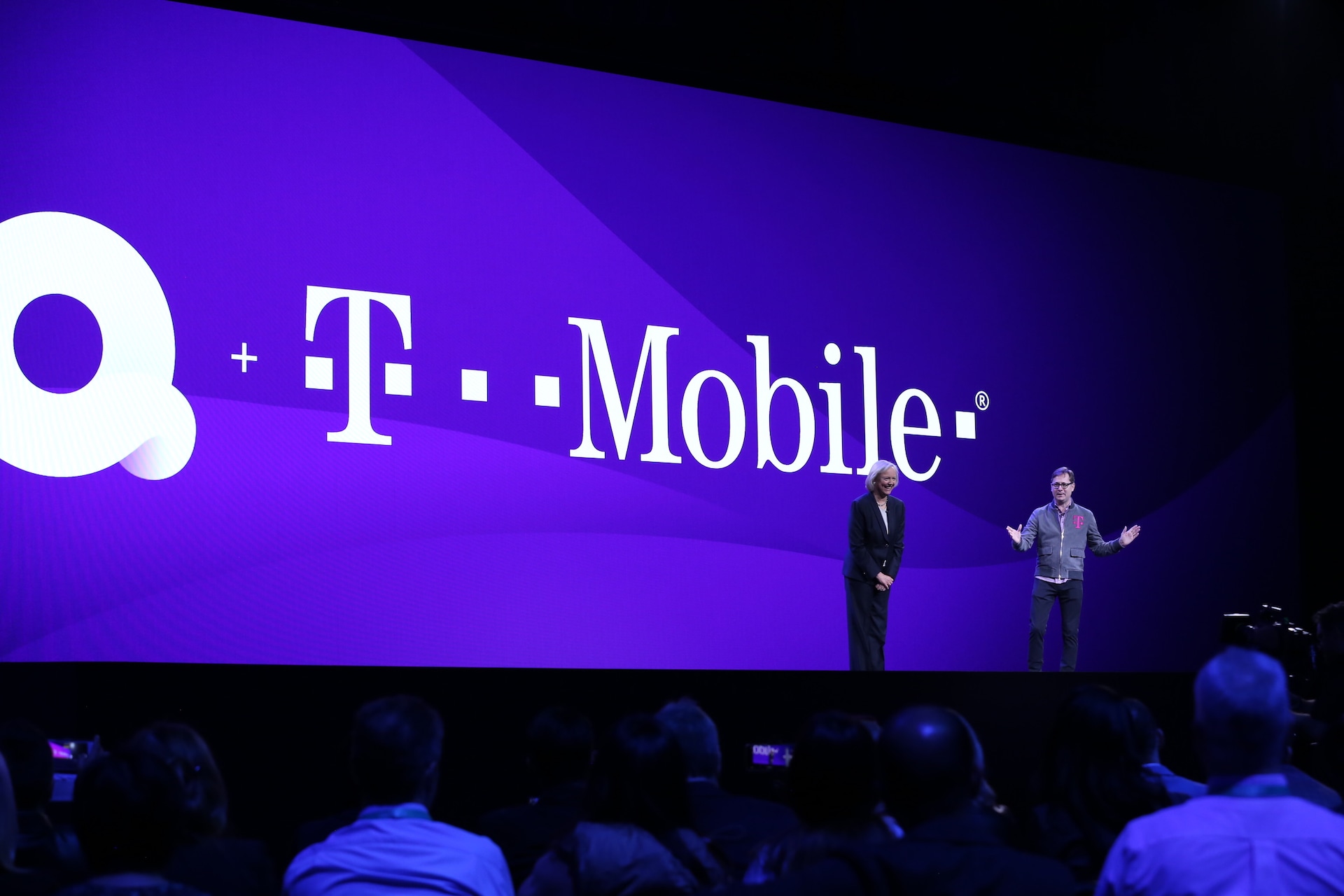
Their idea joined a visible behavior to an unproven payment assumption. People already watched video on phones. Quibi would commission entertainment expressly for that screen and recruit viewers to a new subscription. Whitman told T-Mobile, “This is mobile only.” Katzenberg told TheWrap, “We don’t think we’ll take off like a rocketship.” Both described a business whose audience would take time to develop. [1] [5]
Their backgrounds helped assemble talent and production relationships. They also made a substantial content launch possible before the service had observed repeat subscriber behavior. That sequence is the central business risk: a catalog required spending before its ability to attract and retain paying viewers could be measured. This is an inference from the operating model, rather than evidence that a particular show caused the closure.
Timeline
- 2018: Whitman joined Katzenberg, developed the strategy and began building the company. [1]
- October 2019: ESPN announced an agreement to supply daily sports programming. [6]
- March 2020: Bell announced Canadian content and telecommunications marketing partnerships. [7]
- April 6, 2020: The service launched during pandemic restrictions. [8]
- June 2020: Chromecast support followed the addition of AirPlay. [9]
- October 2020: Native television apps arrived shortly before the October 21 wind-down announcement. [10] [2]
- January 8, 2021: Roku entered its agreement to acquire certain content rights. [3]
- September 2021: The eko settlement identified Quibi's successors and the planned Turnstyle transfer. [4]
What They Built
The app mixed movies divided into chapters, unscripted entertainment and Daily Essentials. The last category supplied recurring news and information between entertainment releases. Turnstyle let viewers rotate between full-screen portrait and landscape video. These were deliberate attempts to fit short viewing sessions and encourage return visits. [1] [11]
Launch content included Survive, Chrissy's Court and Flipped. These programs offered recognizable performers and genres, rather than an open feed of user uploads. A viewer selected professionally commissioned episodes and could change orientation while watching. [11]
Daily programming relied on established editorial organizations. ESPN agreed to become the exclusive U.S. multi-sport provider for Daily Essentials. Bell's agreement combined CTV News and TSN productions with Canadian marketing through Bell Media and Bell Mobility. Katzenberg described ESPN's purpose as “all of it in under 10 minutes.” The partnerships supplied both content and routes to potential users. They did not establish actual viewing or subscriber retention. [6] [7]
Quibi also changed its original screen restriction. AirPlay and Chromecast enabled television viewing before native apps reached Apple TV, Android TV and Fire TV in October. A claim that the service remained phone-only throughout its life would miss these adaptations. They widened where subscribers could watch, but the wind-down followed too soon to establish their long-term effect. [9] [10]
Market Position
Target Customers
Quibi targeted people watching during short gaps away from home. The founding thesis assumed mobile sessions deserved their own programming and destination. Pandemic restrictions disrupted those occasions. Management nevertheless kept the April launch, while describing short breaks during home working as another use case. [5] [8]
Market Size
Phone-video consumption demonstrated attention, but could not establish demand for this subscription. No audited market-size estimate or disclosed customer lifetime value was established in the reviewed material. The useful question was how many viewers would return for these particular programs after promotional access ended.
Competition
Quibi faced Netflix, Disney+, Hulu and Amazon Prime Video as subscription alternatives. Free social video competed for the same short breaks. Existing services had familiar destinations; Quibi needed viewers to learn a new catalog and habit. TheWrap's launch interview identified the crowded subscription market before the pandemic outcome was known. [5]
That creates a stronger test than whether short entertainment can work. A viewer can like a show without wanting another app. A producer can make valuable programming without making an economical standalone distributor. Roku's later use of the rights supports that distinction, although it does not reveal the profitability of individual titles.
Business Model
Quibi offered U.S. subscriptions at $4.99 monthly with advertisements and $7.99 without them. Creators retained ownership incentives, while Quibi expected subscription and advertising income. This helped attract production partners, but financing a show did not mean acquiring permanent ownership of every underlying asset. [5]
T-Mobile offered a year of the supported tier to eligible multi-line customers. That reduced the initial price while leaving the task of repeat viewing unresolved. [11]
Axios reported $150 million in first-year advertising agreements with ten partners, including Pepsi and Walmart. [12]
Those agreements were commitments before launch, rather than independently verified final recognized revenue. Axios separately reported $1.75 billion raised before the service began. Funding, contracted advertising and realized subscriber revenue measure different things. Final audited revenue, subscriber retention and shareholder recovery remain unestablished here. [13]
Outcome and evolution
On October 21, management announced the wind-down, asset sales and a plan to return remaining cash. Its letter acknowledged two possible explanations: insufficient demand for a separate service and launch timing. Management suspected both contributed. The evidence cannot assign a numerical share of the outcome to either cause. [2]
An October support notice scheduled streaming to end around December 1, 2020. [14] That announcement is distinct from the exact service endpoint and legal dissolution, which remain unverified.
Roku's annual report explicitly accounts for the January 2021 transaction as an asset acquisition of certain content rights. Its first Roku Originals came from that library, and it commissioned further seasons of some shows. Roku described more than 75 licensed titles for free advertising-supported distribution. This supports an asset-level continuation, not a purchase of Quibi's whole company. [3] [15]
The September 2021 settlement named QBI Holdings and New QBI as successors and provided for transferring Turnstyle IP and technology to eko. It resolved disputes without establishing the disputed allegations as judicial findings. [4]
As reviewed on October 23, 2026, Roku still promotes free Originals, but the promotional page does not verify every former Quibi title's current availability. Individual playback and rights windows remain separate checks. [16]
Key Lessons
- Quibi recruited meaningful content and distribution partners. ESPN, Bell and T-Mobile addressed different parts of supply and acquisition; none proved a recurring paid habit.
- Television support evolved after launch. Product histories should account for those changes before blaming an outcome on the initial feature set alone.
- Quibi's catalog found another distribution model at Roku. The asset continuation supports testing programs inside existing channels before financing a separate subscription destination.
- Pandemic timing remains a credible counter-explanation. Management's own letter preserves uncertainty that a single-cause account would erase.
YouTube expanded Shorts to three minutes in October 2024. A contemporary producer can test short episodes inside an existing channel, although that change does not remove production costs or establish willingness to pay. [17]
Sources
- Whitman interview
- Founders' wind-down letter
- Roku 2021 annual report
- eko and Quibi settlement
- TheWrap executive interview
- ESPN programming agreement
- Bell partnership announcement
- Launch-day reporting
- Chromecast and AirPlay support
- Television-app launch
- T-Mobile offer
- Pre-launch advertising agreements
- Wind-down and funding reporting
- Announced service-end window
- Roku license-rights account
- Roku Originals page
- YouTube Shorts update