
SolarMente
Summer 2021InactiveHome electrification at $0 upfront cost
Pressure-test this opportunity
Turn this teardown into a decision-ready prompt for ChatGPT, Claude, or your agent.
Home electrification at $0 upfront cost
Turn this teardown into a decision-ready prompt for ChatGPT, Claude, or your agent.
If you only have a few minutes to spare, here’s what investors, operators, and founders should know about SolarMente (S21).
SolarMente sold Spanish homeowners solar panels, batteries, EV chargers, and heat pumps with no upfront payment. A long-term subscription covered the equipment, installation, maintenance, and insurance, while software managed household energy. The Barcelona company raised equity from Y Combinator and Leonardo DiCaprio and secured a €50 million project-finance commitment.
The financing removed the customer's capital barrier but did not simplify the operating company. SolarMente had to originate contracts, coordinate installers, service equipment for decades, retail energy, and build software. It expanded into more trades and announced an Eltex acquisition as Spain's self-consumption market contracted. Filed accounts later contradicted public claims of profit and rapid revenue growth.
SolarMente stopped operating and entered a microenterprise insolvency process in early 2026. The administrator reported about €197,000 of debt and planned to liquidate residual assets.[1] The fate of customer subscriptions and the separate finance vehicle remains undisclosed.
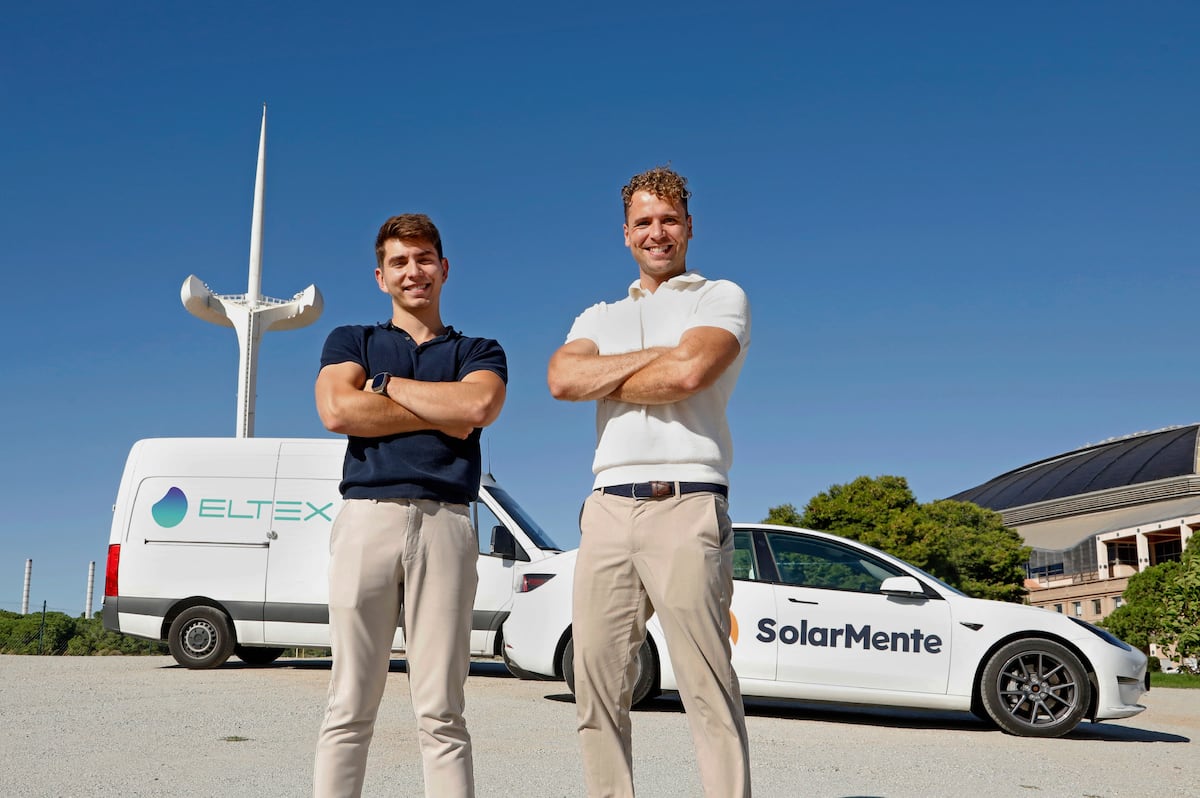
Image 1 / 1
Wouter Draijer came to Spain from the Netherlands to study for a master's degree at Pompeu Fabra University. The contrast in residential solar adoption was difficult to miss. Draijer told El País: “En mi país una de cada tres casas tiene placas solares, en España una de cada cien,” roughly meaning that one in three Dutch homes had panels compared with one in one hundred Spanish homes.[2]
He partnered with Canadian co-founder Victor Gardrinier and used personal savings to start SolarMente in Barcelona in 2020. The available sources do not explain how the founders met. They joined Y Combinator's Summer 2021 batch.[3]
Their insight went beyond sunshine. Spanish households faced a complicated purchase. SolarMente said the process could take four to six months and require more than 30 calls, messages, or emails among the customer and service companies. Many households also resisted a €5,000-€10,000 upfront purchase. SolarMente proposed one accountable provider and a monthly payment funded from the expected energy savings.
The founders first tested the model with equity. Banks would not fund a young company with little balance-sheet history. Gardrinier later recalled: “all the banks told us, politely, to f— off.”[4] The team paid for a pilot itself, built a relationship with energy-focused GNE Finance, and created a special-purpose vehicle for subscription assets.
The ambition widened quickly. SolarMente would start with panels, then sell batteries, EV charging, and heat pumps. Its virtual battery and home-energy software would decide whether power should supply the house, charge a device, or go to the grid. Gardrinier described the company as a finance operation, an installation and service operation, and a technology company. That description also named the execution problem that later mattered.
Read the complete post-mortem, the rebuild playbook, and the exact reasons SolarMente is still worth studying now.