Overview
Sprig offered an appealing shortcut: order a freshly prepared meal through an app and receive it quickly. It owned the cooking and delivery operation, giving it control over recipes, packaging, and arrival. That control also joined several difficult businesses inside one company. It closed its food service on May 26, 2017. SFist
Founding Story
Gagan Biyani described the original problem as arriving home hungry and choosing between cooking, unhealthy takeout, or inconvenient prepared food. In his March 2014 announcement, he wrote: “Sprig’s mission is to be both the easy and the good option.” Founder post
The company launched publicly in November 2013 after several months of research. Biyani named three fellow founders: Neeraj Berry led operations, Morgan Springer focused on customer experience, and Matt Kent led engineering. He identified former Google chef Nate Keller as executive chef, with Kyle Connaughton as culinary advisor. Those culinary roles should not be mistaken for the founder roster. Founder post
Timeline
- November 2013: Public service launched in San Francisco. Founder post
- March 2014: Biyani announced a USD10 million Series A led by Greylock, with Battery and Accel participating. Founder post
- April 2015: A USD45 million round supported expansion plans including Chicago. Eater
- 2016: The company paused its Chicago operation while testing changes to the service. SFist
- January 2017: A larger menu and cooking closer to order time replaced much of the earlier ready-made inventory model. Fast Company
- May 26, 2017: The company announced the app's closure and two months' pay for employees. SFist
What They Built
The app connected meal orders to a company-run kitchen and delivery team. Drivers initially carried prepared food near customers. In January 2017, the company moved toward making meals as ordered and expanded its menu to 20 choices. Fast Company
Biyani explained the priority: “They care more about the quality of the food.” The customer wanted a good meal; shorter delivery time was one way to provide it. Fast Company
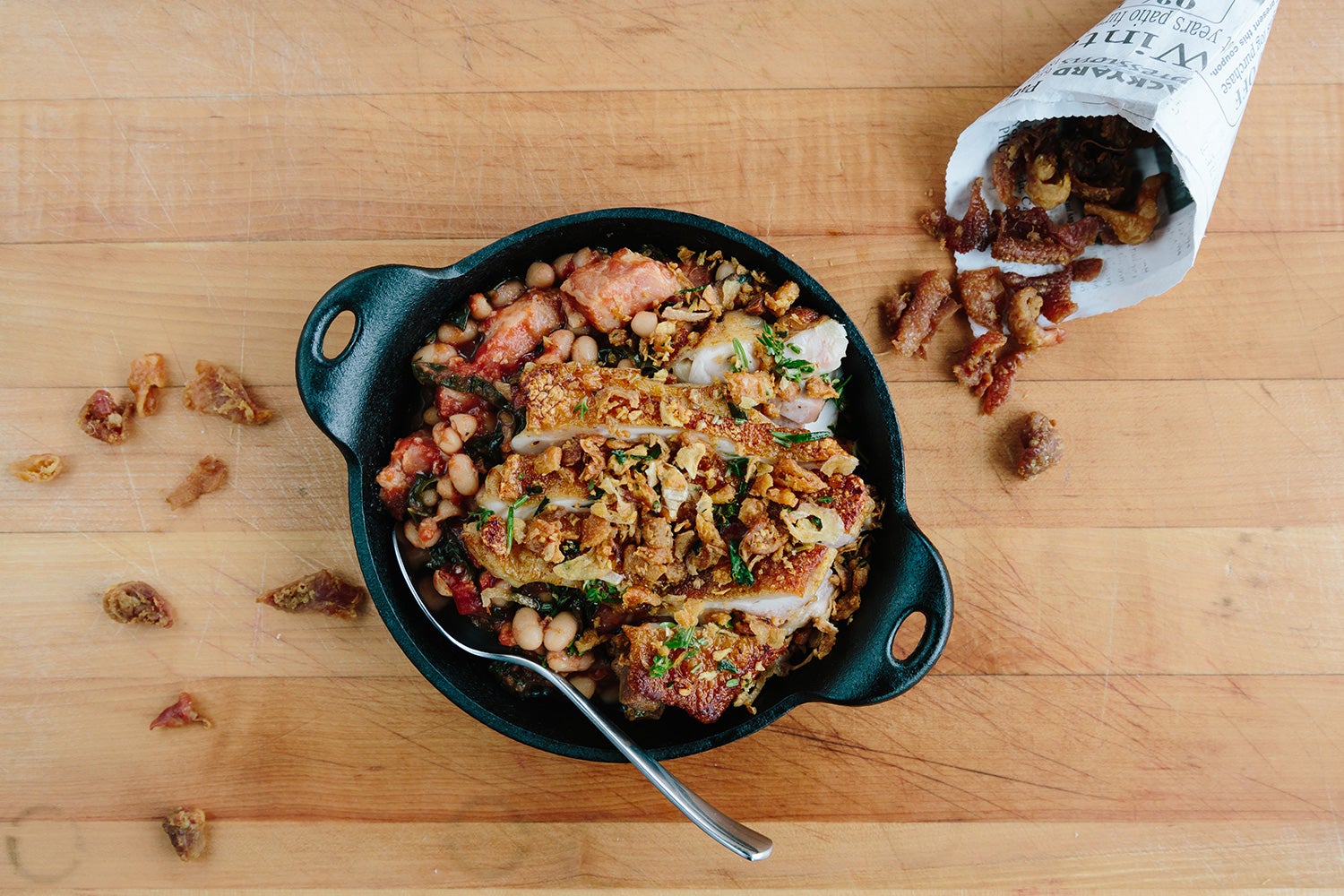
Recipe development was a substantial operation. A January 2016 kitchen visit described Jessica Entzel's research team testing dishes for flavor, ingredient cost, batch production, and transport. Recipes had to survive delivery without leaking, falling apart, or becoming soggy. Testers also checked whether a promising small batch worked at larger volumes. Customer feedback then informed revisions. This was food manufacturing work alongside software and dispatch. Fast Company kitchen visit
Market Position
Target Customers
The first service targeted busy professionals. The wider 2017 menu also sought groups and families whose preferences could differ within one order. Fast Company
Market Size
No audited addressable-market estimate was found. The useful business boundary was narrower than everyone who eats: households inside a delivery area, willing to order regularly at a price covering preparation and delivery. A large food market did not establish sufficient demand around a particular kitchen.
Competition
Sprig competed with restaurant delivery platforms and other companies preparing their own meals. Eater's 2015 coverage identified SpoonRocket and Caviar's Fastbite alongside Grubhub, Postmates, and DoorDash. It described the tension between limited fast meals and the much broader restaurant selection available through competing apps. Eater
Current alternatives demonstrate that prepared food and ordering software remain active categories. CookUnity offers weekly plans of four to sixteen meals for customers to heat. DoorDash lets restaurants accept direct orders through their own channels while using its delivery network. DoorDash also announced a limited corporate beta for agent-assisted group and recurring orders, including Slack requests and delivery tracking. These services do not establish a successor to the original Sprig company. Office ordering connector CookUnity DoorDash
Business Model
Sprig sold the meal as well as delivery. In April 2015, Eater reported meals at USD9–12, delivery at USD3–5, and a USD10 monthly unlimited-delivery plan. Those are historical offers, not current prices or a complete margin statement. Eater
Contemporary coverage put total funding at USD56.7 million. TechCrunch
The business needed enough orders to absorb kitchen and staffing costs while also paying for ingredients, packaging, and delivery. In his later Mixergy interview, Biyani described declining sales making overhead harder to cover. He recalled a peak annualized revenue run rate of roughly USD21–22 million, calculated from a particular week's sales. That is a retrospective run-rate estimate, not a verified full-year revenue result. No audited margin series was found. Founder interview
Outcome and evolution
The closure note attributed the outcome to the complexity of managing meal production through delivery at scale. The company had already paused Chicago and tried new distribution options, including a walk-in cafe. The changes show an attempt to improve the model before closure; they do not demonstrate that a single adjustment could have saved it. SFist
Biyani later attributed the decline partly to Uber Eats and criticized efforts to preserve the weakening business. These are retrospective judgments, rather than proof of an exclusive cause. Mixergy
In a later reflection, he argued that managing delivery infrastructure, food production, and a brand together was too hard. His suggestion that the idea was early does not prove that the same model would succeed today. Founder reflection
The original food company remains inactive. The current Sprig at sprig.com sells user-research software under a different founder. It is a separate business. Current company page
Key Lessons
- Test the value behind the speed target. Customers may care more about variety and food quality than shaving minutes from arrival.
- Count every operating layer. Owning preparation and delivery gives control while adding costs that software alone cannot remove.
- Plan for declining density. A kitchen and delivery area can become harder to support when orders fall.
- Set a stopping rule for revisions. Repeated small improvements may consume time without reversing a deteriorating business.
- Keep financial measures distinct. Fundraising, a weekly sales run rate, annual revenue, and investor recovery are different quantities.
Sources
-
Gagan Biyani: Sprig and Greylock — 2014-03-27.
-
Eater: Sprig raises USD45 million — 2015-04-15.
-
Fast Company: Inside recipe development — 2016-01-27.
-
Fast Company: New menu and delivery model — 2017-01-10.
-
SFist: Sprig closure and founder note — 2017-05-26.
-
TechCrunch: Funding total at closure — 2017-05-26.
-
CookUnity current product and cost page — accessed2026-10-23.
-
CookUnity taxes and fees — 2026-10-21.
-
DoorDash direct ordering — accessed2026-10-23.
-
DoorDash Commerce Platform introduction — 2024-09-25.
-
DoorDash DashOS announcement — 2026-09-30.
-
Current Sprig research software identity — accessed2026-10-23.
-
DoorDash office ordering connector — 2026-09-30; limited corporate beta.