Overview
Casper Studios turned small AI products into a route to enterprise services work. Its early browser extension and voice app helped the team learn, demonstrate its skills, and win customers. The business then expanded into custom software, employee training, and internal workflow automation.[1]
Ode with Anthropic announced its completed acquisition of Casper on August 20, 2026. Ode is an enterprise AI venture formed with Anthropic, Blackstone, Hellman & Friedman, and other investors. The public announcement describes a combination of delivery capabilities and discloses no price.[2]

Image 1 / 1
Founding Story
Casper began experimenting with AI in December 2022. Jay Singh, its CEO and co-founder, previously spent almost six years in LinkedIn product and business development roles. The complete legal founding roster remains unverified.[1][3]
The team built Casper AI, a Chrome extension for working with written material, then Yap, a voice app. Singh described Yap's commercial result plainly: “It did not make a ton of money.” He explained its other purpose: “For our business, building products helps us close customers.” The products were demonstrations and learning exercises that could earn services engagements.[1]
Timeline
- December 2022: The team began its AI experiments and built Casper AI.[1]
- April 2025: Ted Merz described Casper's work building document-analysis tools for hedge funds.[3]
- October 2025: Singh reported a $2 million annual revenue run rate on Nathan Barry's podcast.[4]
- August 20, 2026: Ode announced that it had acquired Casper.[2]
What They Built
Casper built applications and automations for individual clients. At Kit, its engagement combined automation with teaching employees to identify and build useful workflows. Its published case study describes reporting, content, and request-intake work alongside training internal champions.[5]
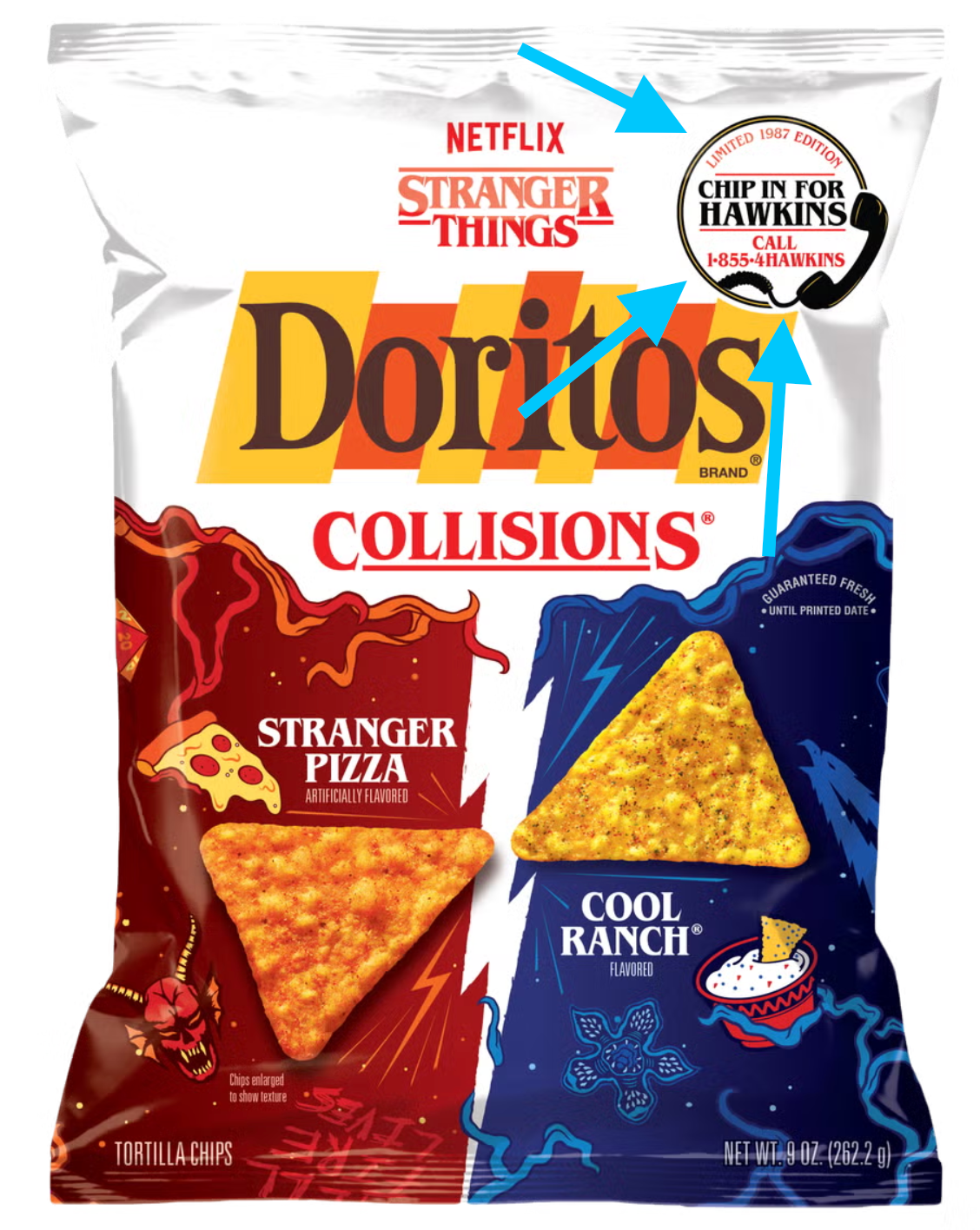
Its best-documented public campaign was a Stranger Things promotion for Netflix and Doritos. Callers dialed a number printed on Doritos bags and entered an interactive telethon. According to infrastructure partner LiveKit, a language model interpreted callers' speech and selected paths through prerecorded celebrity responses. The design constrained what the system could say while preserving a conversational experience.[6]
Market Position
Target Customers
The company worked across enterprise operations, financial services, healthcare, and media. Its current site describes both custom product development and internal AI adoption services.[7]
Market Size
The reviewed sources do not establish Casper's addressable market or market share. A campaign's audience measures reach, not demand for recurring consulting contracts.
Competition
Casper competed for work that customers could assign to internal engineers, general consultancies, or specialist implementation firms. Its advantage was a demonstrated ability to ship. That is an interpretation of its referral history, rather than evidence of a durable technical barrier. The acquisition itself placed Casper inside a larger delivery organization.[1][2]
Business Model
Singh described three paid service categories: education, lighter automation work, and custom engineering. The October 2025 run-rate claim is a founder's annualized revenue measure, not audited full-year revenue or recurring software revenue. Public sources reviewed here do not disclose margins, customer concentration, contract pricing, or acquisition proceeds.[4]
Traction
Singh reported roughly 20,000 users for the early extension. LiveKit later reported more than 400,000 interactive call sessions for the Doritos campaign; sessions are not unique people. Neither figure establishes Casper's retained customer base.[1][6]
Post-Mortem
Prototypes helped the team win work
The referral chain explains more than a claim of fast execution. Yap demonstrated voice development. Singh approached LiveKit, which introduced an opportunity involving Omnicom Media Group and Goodby Silverstein & Partners. Casper then won the Netflix/Doritos work. The inference is that learning products reduced a buyer's uncertainty about hiring the team.[8]
The buyer expanded its delivery range
Ode said the teams had already collaborated on client engagements, including Sphera. Ode emphasized difficult custom builds; Casper added implementation across employees' everyday systems. Singh's acquisition statement said, “We found common cause with Ode.” Prior joint work gave the buyer evidence of how the teams operated together.[2]
An alternative explanation is that the buyer mainly wanted people and capacity. The announcement cannot establish how much value it assigned to relationships, methods, or staff. Without deal terms and operating accounts, the outcome supports a delivery-capability thesis but cannot establish investor returns or a repeatable acquisition strategy.
Key Lessons
- Casper's learning products helped sell services. Judge such experiments against the customers they attract as well as their direct revenue.
- The Doritos campaign combined speech interpretation with controlled responses. Brand requirements shaped which parts of the experience could generate new content.
- Ode and Casper worked together before the purchase. Shared client delivery gave each team information that a sales presentation could not provide.
Sources
- Jay Singh's account of Casper's products and referral path
- Ode's acquisition announcement, distributed by Business Wire
- Ted Merz's meeting with Jay Singh, April 2025
- Jay Singh's October 2025 interview with Nathan Barry
- Casper's Kit case study
- LiveKit's account of the Stranger Things and Doritos campaign
- Casper's team and services
- Casper's account of winning the Netflix and PepsiCo work