Overview
Global Illumination built Biomes, a multiplayer world that ran in a browser. On August 16, 2023, OpenAI announced its acquisition of the team to work on core products including ChatGPT. The transaction moved an experienced consumer product team into an AI company; OpenAI did not announce a plan to turn Biomes into an AI game.[1]
Biomes documents the trade-off. Its developers released the code and sought community help because their new responsibilities prevented them from continuing development alone. The team moved together, while its public product needed a different source of maintenance and operating support.[2]
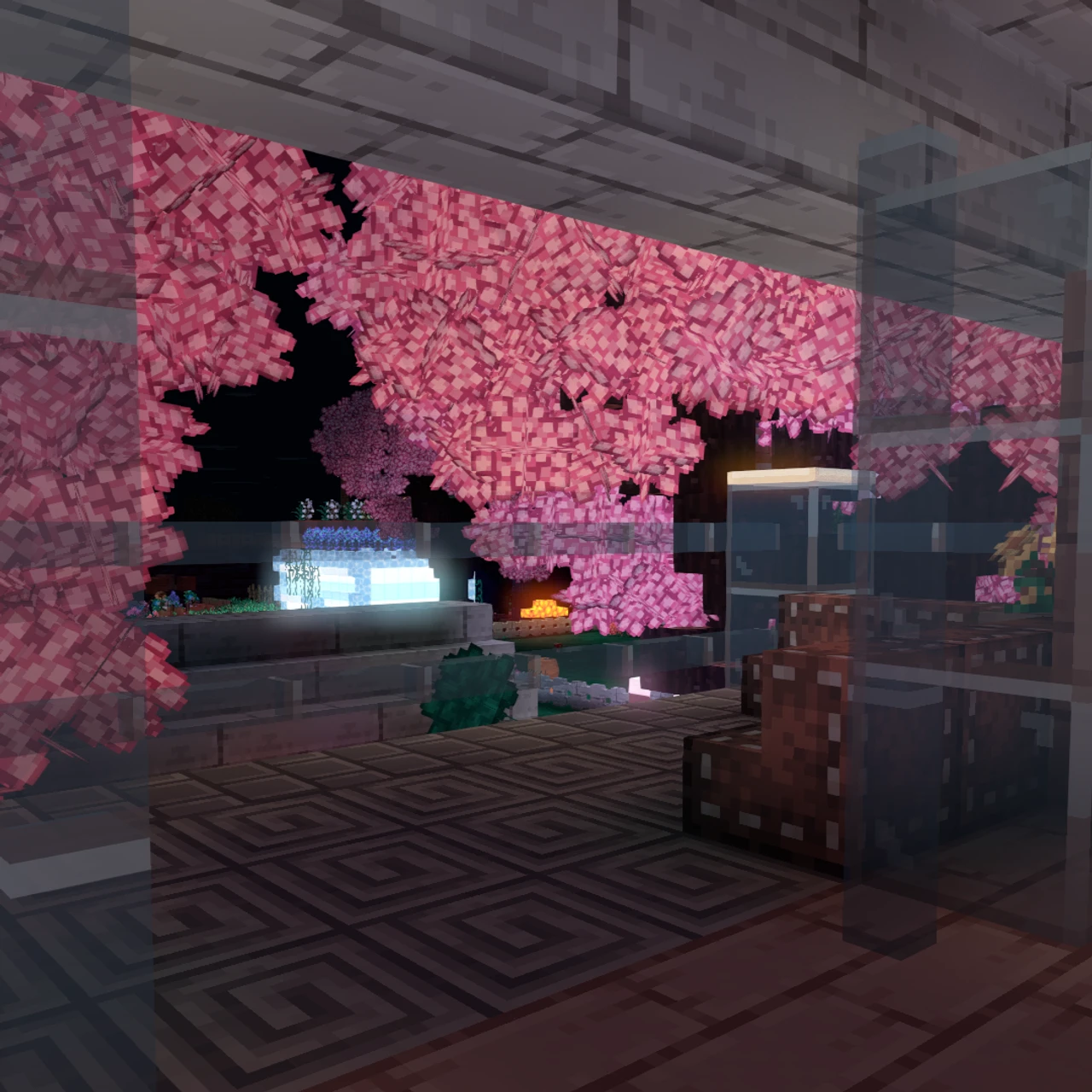
Image 1 / 1
Founding Story
Thomas Dimson, Taylor Gordon, and Joey Flynn founded the New York company in 2021. The company identified Dimson as CEO, Gordon as CTO, and Flynn as chief product officer.[3][4]
Dimson had been a principal engineer and director at Instagram from 2013 to 2020. His own account names feed ranking, Stories, Explore, Hyperlapse, and the polling sticker among his work. That background connected machine learning with everyday consumer interactions.[5] The founders' precise origin story and their reasons for accepting the sale remain undocumented in the sources reviewed.
Timeline
- 2021: Global Illumination was founded.[3]
- Early 2022: Biomes development began, according to its FAQ.[6]
- August 16, 2023: OpenAI announced that the entire team had joined.[1]
- After the acquisition: The Biomes roadmap described a transition toward community development and independent hosting.[2]
- October 23, 2026 review: The public repository and documentation are accessible. The setup guide references a May 16, 2026 data snapshot; this does not establish public-server uptime.[7][8]
What They Built
Biomes was a sandbox multiplayer role-playing game. Players could build, craft, farm, complete quests, and play minigames in a destructible world made from blocks. The website presented creative scenes made by players, making community output part of the product's appeal.[6][9]
The technical achievement was putting this shared world on the web. The repository describes TypeScript, React, Next.js, and WebAssembly, with a distributed backend that can also run locally. It publishes the code under the MIT license.[7]
Market Position
Target Customers
Biomes addressed players who wanted a shared creative world and developers who could extend it. Browser access reduced installation friction; the FAQ names Chrome as the supported browser.[6]
Market Size
No verified addressable-market estimate, paying-customer count, or revenue series was located. A broad gaming-market number would say little about demand for this particular browser game.
Competition
Biomes resembled Minecraft, as contemporary coverage observed.[3] Its browser delivery offered a different route into a shared world. That distinction alone does not demonstrate player retention or a defensible business.
Business Model
SiliconANGLE reported $14 million in venture funding, citing PitchBook, and named Paradigm, Benchmark, and Slow Ventures. The acquisition price was undisclosed.[3] Public sources do not establish Biomes pricing, revenue, or the investors' return. Funding therefore cannot support a claim about commercial success or distress.
Post-Mortem
Moving the team moved the operating capacity
OpenAI's announcement stated: “The entire team has joined OpenAI.”[1] The Biomes roadmap then connected the acquisition to the team's reduced ability to develop the game alone. It listed missing contribution workflows, documentation, and hosting independent of company funding.[2]
This supports a specific interpretation: the acquisition preserved the team inside OpenAI while transferring responsibility for the game toward a community. It does not reveal whether Biomes was commercially failing.
Open code left an operating problem
The hosting guide describes several services on Kubernetes and Google Cloud, requiring substantial compute. The local setup guide calls for 64 GB of memory.[10][8] Those requirements explain why permission to copy the code did not by itself make community operation easy.
An alternative reading is that open sourcing successfully preserved the project. The surviving repository and newer data snapshot support that possibility. They do not establish a self-sustaining community or business. A present-day rebuild would first need evidence that players return and that someone can fund reliable hosting.
Key Lessons
- Global Illumination's team could work on ChatGPT even though its recent product was a game. A team's capabilities can transfer across product categories.
- Biomes made code available, but its roadmap still needed maintainers, documentation, and independent hosting. A product handoff needs an operating plan.
- Global Illumination's undisclosed deal terms and missing revenue data limit judgments about the exit. Acquisition status cannot establish investor returns.