Overview
io Products brought a hardware development team into OpenAI before that team had a publicly documented consumer business. The transaction adviser, Cooley, described an approximately $6.5 billion acquisition aimed at creating a family of AI products. OpenAI announced the deal on May 21, 2025, and confirmed the merger on July 9. [1][2]
io moved an uncertain product effort inside its principal model supplier. Closer access to model research could shorten design decisions. It also moved an unproven consumer proposition inside a much larger organization. The acquisition price establishes strategic commitment; it cannot establish demand.
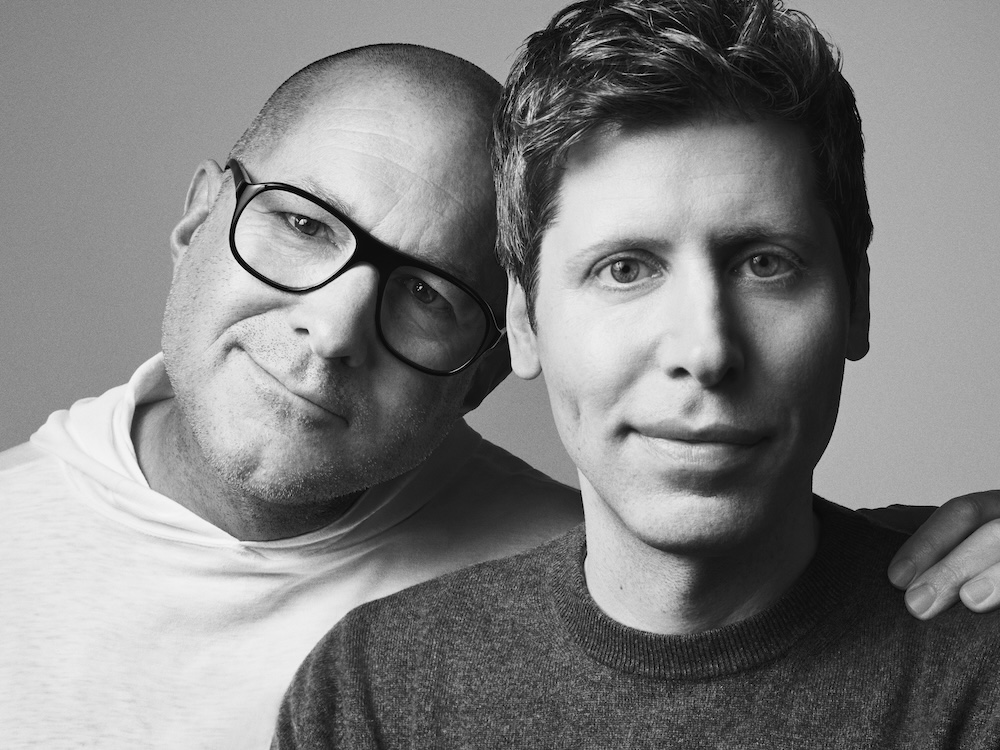
Image 1 / 1
Founding Story
Jony Ive founded the operating venture with Scott Cannon, Evans Hankey, and Tang Tan. OpenAI's May 2025 announcement dates that founding to the preceding year. A court's June 2025 background instead records the Delaware corporation's formation on September 21, 2023. These describe different milestones; the incorporation date should not silently replace the founders' operating history. [2][3]
In his May statement, Ive acknowledged “the substantial work ahead” and recalled “the exhilarating and innocent optimism of Silicon Valley.” Those remarks describe ambition and responsibility, rather than evidence of a finished product. [2]
LoveFrom is a separate creative collective, founded by Ive with Marc Newson. Keeping that design practice distinct matters when interpreting who OpenAI bought. The acquired company was io Products. [4][1]
Timeline
- September 21, 2023: Delaware incorporation recorded in the court's background. [3]
- 2024: Operating founding year implied by the founders' subsequent announcement. [2]
- May 21, 2025: Acquisition announced at approximately $6.5 billion. [1]
- July 9, 2025: OpenAI confirmed the merger had completed. [2]
- April 23, 2026: A court granted iyO a preliminary trademark injunction. [5]
- October 13, 2026: A separate Apple case produced an order for limited expedited discovery. [6]
What They Built
Cooley describes io as an engineering and product manufacturing company. Its disclosed remit covered developing and manufacturing AI hardware. The announcement did not supply a retail specification or customer workflow. [1]
The court's 2025 background describes experiments with interaction beyond conventional screens and input devices. That establishes the problem the team explored. It does not establish which experimental design will become a commercial product. [3]
OpenAI later published a conversation between Altman and Ive about design and working relationships. It offers direct access to the collaborators' thinking; it is not a product demonstration. [7]
Market Position
Target Customers
The proposed category was consumer AI hardware. A narrower initial customer, purchasing reason, and repeat-use pattern remain unestablished in the evidence. Choosing one now would amount to designing a different startup.
Market Size
The acquisition valuation is not a market-size estimate. There is no verified io-specific customer count, addressable-market calculation, or sales forecast to use here.
Competition
The concrete early dispute involved iyO, another AI hardware developer. Its similarly pronounced name created a trademark conflict during development. The April 2026 order records that the defendants had decided in February to stop using IO for product, marketing, and company branding. The order concerns trademark use; it does not declare the hardware effort unsuccessful. [5]
Business Model
Contemporaneous Reuters Breakingviews reporting, citing Bloomberg, distinguished approximately $5 billion of new equity consideration from a $6.5 billion total valuation. OpenAI already held a reported 23% stake. Treating the full valuation as a fresh cash payment would therefore misstate both the measure and the consideration. [8]
Standalone revenue, pricing, manufacturing costs, and gross margins are not established.
Post-Mortem
Integration came before customer proof
The founders' announcement said the team would “work more intimately” with OpenAI's research, engineering, and product groups. That is the clearest stated mechanism for the deal: put device decisions closer to the models they depend on. [2]
My interpretation is that integration can reduce coordination costs while increasing commitment to one model supplier. An independent startup retains more supplier choice. An internal team gets closer access but must earn priority inside the parent. Neither advantage establishes whether customers want another device.
Intellectual property became an operating constraint
The separate Apple litigation names io Products, LLC, formerly io Products, Inc. In October 2026, the court allowed some early evidence collection and rejected or deferred other requests. Apple's theft allegations remained allegations in that order. A discovery ruling cannot support a claim that theft occurred, or that the device must be cancelled. [6]
The structural issue is that moving an experienced hardware team also requires clear boundaries around prior employers' information. Buying expertise does not automatically settle ownership disputes. Here, legal process affects the company story before public sales data can test the product story.
Key Lessons
- Separate strategic value from demand. The buyer paid for the capability to pursue a product category. Without adoption or revenue evidence, the deal cannot validate the category.
- Keep the entities straight. io's engineering operation, LoveFrom's design practice, and the eventual consumer brand have different roles. Combining them conceals what changed ownership.
- Treat legal milestones precisely. A trademark restriction changes branding. An order to collect evidence changes litigation procedure. Neither establishes a final product verdict.
Sources
- Cooley's transaction announcement, May 21, 2025.
- OpenAI, A letter from Sam & Jony, May 21, 2025; updated July 9, 2025.
- iyO v. io Products, temporary restraining order, June 20, 2025.
- LoveFrom's official description, accessed October 23, 2026.
- iyO v. io Products, preliminary injunction order, April 23, 2026.
- Apple v. Liu, order on expedited discovery, October 13, 2026.
- OpenAI, A Conversation with Sam and Jony, October 8, 2025.
- Reuters Breakingviews, OpenAI's midair plane-building hits absurd extreme, May 21, 2025. Transaction terms observed in indexed reporting; no quotation used.