Overview
Stainless made an API easier to use without asking its owner to maintain a separate engineering team for every programming language. Founded in early 2022, it turned a machine-readable API description into software development kits, or SDKs: libraries that let developers call an API through familiar language methods. Anthropic announced its acquisition on May 18, 2026.[1]
The business succeeded by taking responsibility for the details that generic code generation left behind. Those same skills became valuable inside an AI platform serving developers and agents. The acquisition redirected the team toward Claude Platform work while its hosted products entered wind-down. Customers can own generated code while depending on the service that keeps it current.[2]
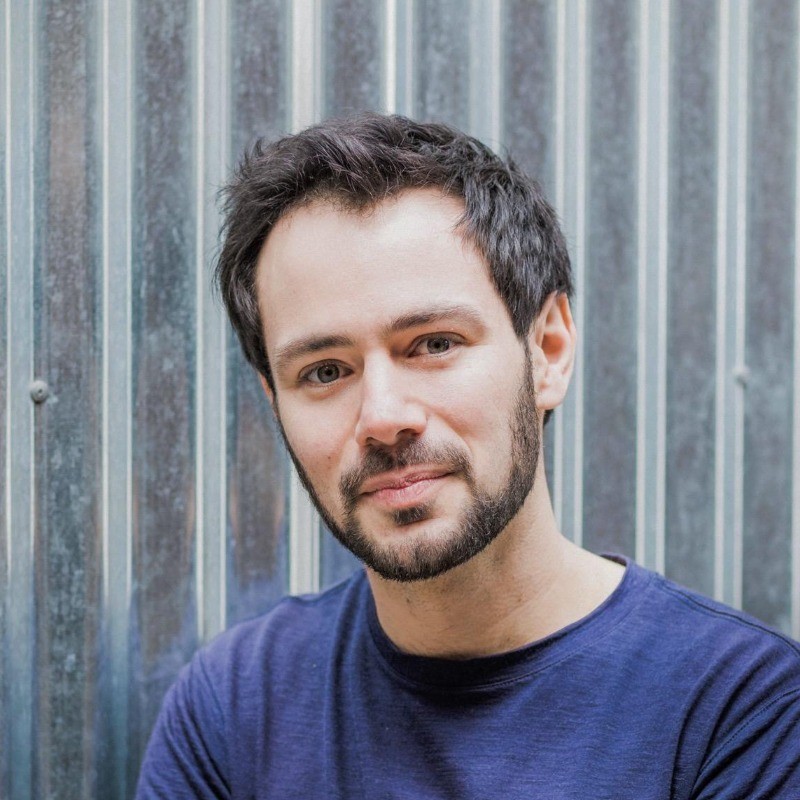
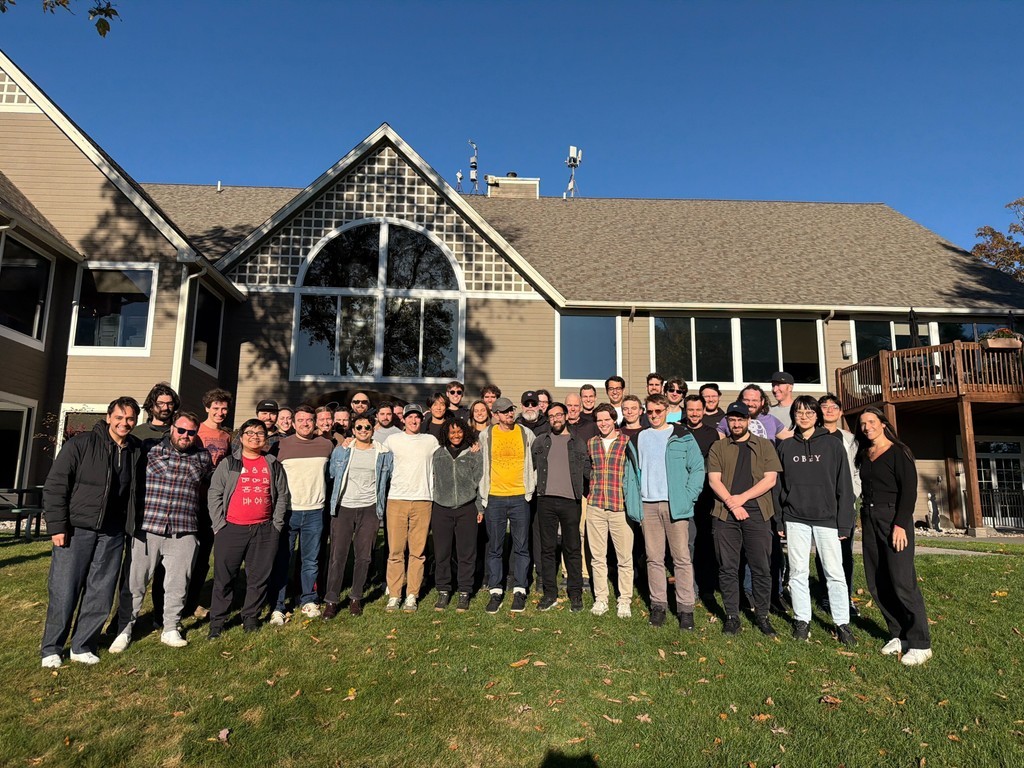
Image 1 / 2
Founding Story
Alex Rattray worked on API documentation and SDK tooling at Stripe. His December 2024 funding announcement describes a problem he had watched from inside a company known for developer tools: most API companies could not afford comparable teams. A generated library could expose the right endpoints and still feel awkward in the language its customers used.[3]
Rattray wrote, “At Stripe, I saw this problem firsthand,” and described the original ambition as “make it effortless for developers to work with APIs.” Those statements connect the company to a specific operating experience rather than a general belief that APIs would grow.[3]
Sequoia dates its partnership with Rattray to 2022. Stainless later identified Mark McGranaghan as president and CTO; the observed company material identifies Rattray as founder. It does not establish another cofounder.[4][5]
Timeline
- Early 2022: Alex Rattray founded Stainless after working on Stripe’s API documentation and SDK tooling.[2][3]
- April 23, 2024: Cloudflare published its account of replacing manual SDK maintenance with a Stainless-based generation workflow.[6]
- December 10, 2024: Rattray announced a $25 million Series A led by a16z.[3]
- December 31, 2025: Stainless’s year review described its expansion into documentation, command-line tools, Terraform providers, and MCP servers.[7]
- May 18, 2026: Anthropic announced the acquisition. Stainless stopped new signups, projects, and SDKs. It also announced a wind-down of hosted products.[1][2]
What They Built
Customers supplied an OpenAPI specification, a structured description of their API, plus configuration that mapped endpoints to library methods. Stainless generated language-specific code and maintained it as the API changed. The work included types, pagination, retries, releases, and changelogs. Keeping those details consistent was the service customers bought.[3]
Cloudflare’s own account shows the workflow. Its service teams described their APIs, its API team maintained conventions and mappings, and Stainless supplied the generation engine. Cloudflare said building a comparable engine internally would have delayed its first high-quality SDK by six to nine months. Most updates moved from at least four coordinated pull requests to one.[6]
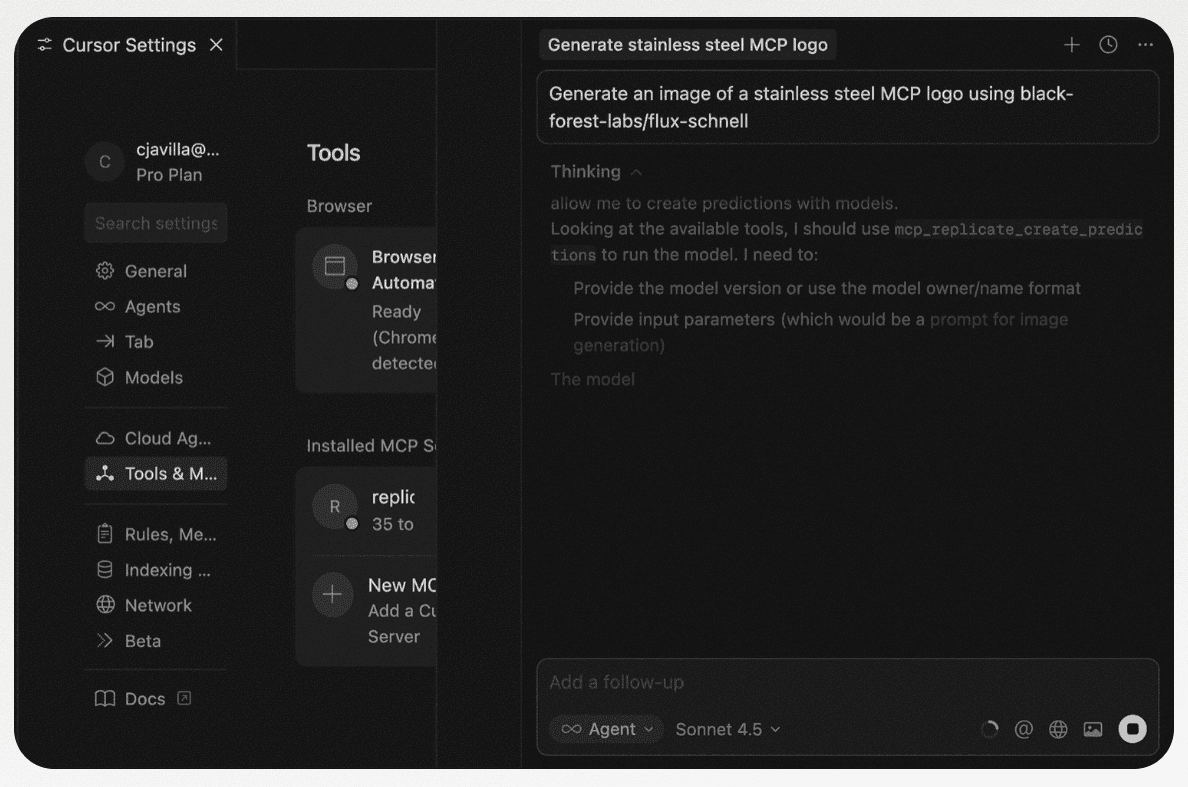
The product expanded beyond client libraries. Stainless’s 2025 review describes additional language support, Terraform providers, command-line tools, webhook handling, a documentation platform, and Model Context Protocol servers. MCP gives AI applications a common way to discover and use external tools. Stainless connected these outputs to the same API specification rather than requiring a separate integration project for each surface.[7]
Market Position
Target Customers
The buyer was an API team with several customer languages to support and too few engineers to maintain each library by hand. Cloudflare provides direct customer evidence. Stainless’s OpenAI case study describes a similar choice: devote engineers to SDK maintenance or keep them building the underlying API.[6][8]
Market Size
No reliable standalone market-size estimate appears in the observed sources. Stainless occupied a narrower spending category than all API software. Its opportunity depended on API owners paying to reduce maintenance work; the number of developers downloading their libraries was a distribution measure, not the number of paying customers.
Competition
The alternatives included internal tooling, free OpenAPI Generator, and commercial SDK platforms. OpenAPI Generator still supports many client languages. Fern now markets migration from Stainless and combines SDKs with documentation; it is part of Postman. Speakeasy continues to document SDK work while expanding into enterprise agent infrastructure.[9][10][11]
The competitive question was therefore how much ongoing engineering responsibility a vendor assumed. A free generator could reduce the cost of producing code. It did not by itself prove that a customer’s existing applications would survive a new API release.
Business Model
Stainless sold hosted tooling and support around generated software. Its public pricing material distinguishes free and paid plans, with limits involving generators, endpoints, and build activity. That page remains online, but the later acquisition notice stops new signups. It should be read as evidence of the business model, not proof that a new customer can buy the old service today.[12][2]
Rattray announced a $25 million Series A on December 10, 2024, led by Jennifer Li at a16z, with existing and new investors participating. Public sources examined here do not establish audited revenue, margins, customer retention, or cash burn. Funding and adoption alone cannot establish profitability.[3]
Traction
Anthropic said hundreds of companies relied on Stainless and that Stainless had generated every official Anthropic SDK from the API’s early days. This was a prior supplier relationship, giving the buyer direct experience of the team’s work.[1]
Stainless reported growing from 13 full-time team members to 49 during 2025. The growth shows a larger operating team; it does not reveal revenue per employee.[7]
Post-Mortem
Maintenance created the strategic value
Stainless packaged a recurring coordination problem. Its customer did not simply need a code file. It needed new endpoints to reach several language communities at roughly the same time, with conventions and custom behavior intact. The investor thesis specifically emphasized preserving custom changes across later generation runs. That capability made the product harder to replace than a template that produced a first draft.[13]
My interpretation is that this responsibility also explains Anthropic’s interest. A model platform benefits when developers and agents can reliably reach its APIs and external systems. Anthropic’s acquisition statement emphasizes that connection. It does not provide evidence that the old standalone business had become uneconomic.[1]
The sale changed the customer bargain
On May 18, Rattray wrote that “we’ll be winding down all hosted Stainless products.” The team would focus on Claude Platform capabilities. Existing customers retained the right to modify their generated SDKs, but they needed a new plan for future maintenance.[2]
This creates a specific dependency risk. A company can own every generated source file and still depend on another company’s unreleased generator and support team. Code ownership reduces the damage from a supplier exit; it does not reproduce the former supplier’s update workflow.
The strongest counterpoint is that this was an acquisition by an established customer with a clear product rationale. Public evidence does not support a claim that Stainless failed to find demand. Nor does the surviving marketing site prove that all hosted products continue. The dated founder notice is the stronger evidence for that operational question.
The price remains undisclosed
TechCrunch relayed an earlier report of talks above $300 million; neither company disclosed final consideration.[14] The exact final hosted shutdown schedule was not visible in the public sources examined. Those gaps limit financial and migration conclusions.
Key Lessons
- Stainless won work that customers could describe but struggled to maintain. Cloudflare’s reduction in coordinated changes shows why workflow ownership can matter more than initial code generation.
- Stainless’s expansion followed the API specification into more outputs. That reused a customer’s existing integration work, but broadened the hosted services affected by the acquisition.
- Anthropic had already used Stainless in its developer platform. A supplier relationship can become an acquisition path when the supplier’s expertise shapes the buyer’s core product.
- Stainless customers kept their code after the sale. Buyers of generated infrastructure should also ask how they will produce, verify, and release the next version without the original service.
Sources
- Anthropic acquires Stainless, May 18, 2026.
- Stainless is joining Anthropic, Alex Rattray, May 18, 2026.
- Towards the API platform we always wanted: why we raised our $25M Series A, Alex Rattray, December 10, 2024.
- Alex Rattray, Sequoia Capital.
- Stainless company.
- Lessons from building an automated SDK pipeline, Jacob Bednarz, April 23, 2024.
- Stainless in 2025: Building the API platform we always wanted, December 31, 2025.
- OpenAI makes artificial intelligence accessible to millions, Stainless customer case study.
- Generators list, OpenAPI Generator.
- Migrate from Stainless today, Fern, May 17, 2026. Vendor claims are not independent comparisons.
- Speakeasy blog, current product announcements.
- Stainless pricing, surviving marketing page; availability superseded by acquisition notice.
- Investing in Stainless, Jennifer Li and Yoko Li, December 10, 2024.
- TechCrunch acquisition coverage, May 18, 2026. Indexed excerpt only.