Overview
Neato Robotics helped make laser-guided cleaning a consumer product, but technical contributions did not sustain its separate business. Vorwerk acquired the company in 2017 and closed its operations in 2023 after several years of missed commercial goals. The parent retained robotics expertise while concentrating development elsewhere. [1] [2]
The devices' useful life continued beyond the company. Cloud services ended later, reducing connected functions while manual cleaning remained available. By 2026, Vorwerk offered an eligible European exchange program, and independent developers published local-control alternatives. Those are separate outcomes for the business, its support obligations and the machines in customers' homes. [3] [4] [5]
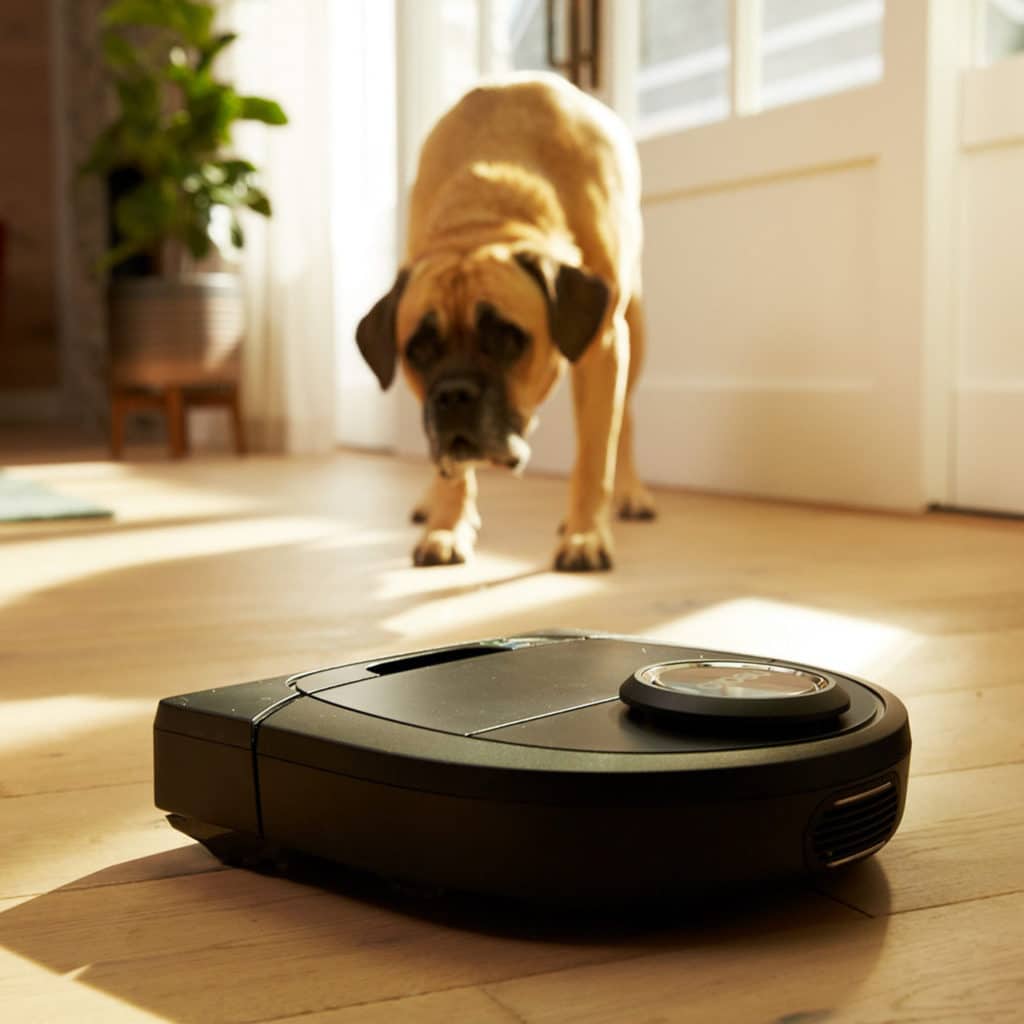
Image 1 / 1
Founding Story
Neato's origins date to 2004–2005. Early company material and cofounder Linda Pouliot's interviews use 2004; Vorwerk's later corporate history uses 2005. The sources agree on the substantive goal: use robotics to reduce household cleaning work. Neato's first robot-vacuum series reached the market in 2010. [6] [2]
Pouliot brought manufacturing and product experience. In an interview published in 2016, she explained, “I understand a lot about manufacturing.” Her motivation was equally direct: “I personally hate cleaning.” She described developing the idea over several weeks and competing with Roomba. The problem was familiar; designing a machine that worked across real homes required a much longer effort. [7]
In the same interview, Pouliot distinguished the home from commercial environments. A business buyer could state a constrained job and its economic value. A consumer robot's success was harder to establish before deployment in varied homes. That observation explains a lasting operating difficulty without assigning the later closure to the founding team. She had moved on to another company before Vorwerk's acquisition. [7] [8]
Timeline
- 2004–2005: Neato's founding period; sources differ on the year. [6] [2]
- 2010: The first robot-vacuum series launched. Vorwerk also became an investor. [2]
- 2012: A $12.2 million Series D brought disclosed funding to $35 million at that date. [6]
- 2017: Vorwerk acquired full ownership, initially promising an independent business unit. [1]
- 2022: Neato promoted customized brushes, filters and MyNeato software updates. [9]
- 2023: The operating company closed. A later official notice dates cessation to May; the earlier annual report had planned June. [4] [2]
- October 2025: Neato announced cloud-service phaseout. [3]
- April 2026: An official notice described discontinued cloud services and an expanded European exchange offer. [4]
- October 2026: Vacuula published its initial local-server release. [10]
What They Built
Neato's robots combined a vacuum mechanism with laser navigation and mapping. The D-shaped body and flat front distinguished the hardware visually. Later connected products added application controls and household-specific cleaning behavior. The 2017 acquisition announcement identified navigation and software as assets that complemented Vorwerk's existing vacuum business. [1] [9]
The product continued evolving under its parent. Neato's 2022 “Customize Your Clean” initiative included pet brushes, fragrance pods and replaceable filters. MyNeato updates let owners schedule routines and select cleaning zones. Quick Boost aimed to recharge only enough to finish a remaining cleaning job. These were announced features and accessories, rather than proof of improved commercial performance. [9]
The cloud became part of that experience. Manual full-house cleaning could remain on the device, while connected convenience depended on ongoing infrastructure. The distinction became concrete when Neato announced phaseout: it said a button press would still start a manual run. Calling every robot completely unusable would therefore overstate the official account. Calling the original experience unchanged would ignore the lost connected service. [3]
Market Position
Target Customers
Neato served households that wanted less manual vacuuming, with later accessories aimed at needs such as pet hair. Its products had to work across furniture layouts, floor types and household routines. That variation makes an attractive laboratory demonstration less conclusive than repeated use in customers' homes.
Market Size
The reviewed evidence does not establish a reliable current market-size estimate for an independent Neato successor. Installed robots, repair customers and new-appliance buyers are different markets. A repair business cannot treat every historical robot sold as an active customer.
Competition
Roomba was an explicit early reference in Pouliot's account. Neato's distinctive navigation helped it reach retail distribution, but the later commercial decline shows that a technical distinction did not guarantee a durable sales operation. The parent ultimately favored concentrating robotics development with its own core brands.
For today's owners, replacement is only one alternative. Independent OpenNeato and Vacuula projects now offer different paths to local operation. Their scope changes quickly. OpenNeato's documentation supports D3–D7 and excludes D8–D10; Vacuula's newer server documentation lists support for both groups, with installation-platform limits. These are project authors' claims, not device tests performed for this report. [11] [5]
Business Model
Neato sold robots and replacement accessories through retail and partner channels. In 2012, it described distribution outside the U.S. and a Target agreement for the XV-12. Its relationship with Vorwerk already included a co-branded European product before the full acquisition. The later sale therefore extended an existing commercial and investment relationship. [6]
The $35 million disclosed in 2012 is cumulative funding as of that date, not a verified lifetime total. The 2017 purchase price was undisclosed. Neither figure establishes the original investors' return or the parent's later losses. [6] [1]
Traction
Vorwerk's 2022 annual report describes approximately €9 million in Neato sales, down 67.1%, and unsuccessful restructuring toward profitability. It attributes the closure to years of unmet goals and an unsuccessful independent sales operation. These statements establish a disappointing operating outcome after acquisition; they do not establish that the original 2017 transaction was a distressed sale. [2]
Outcome and evolution
The original company closed in 2023 while support responsibilities continued. The initial plan included at least five years of cloud infrastructure, parts and repairs. In October 2025, the official support notice changed the cloud plan, citing cybersecurity, compliance and technical-maintenance concerns. That is the company's stated explanation; the reviewed sources do not independently establish which particular requirement made continuation impractical. [2] [3]
The April 2026 notice confirms that cloud services were discontinued and describes a voluntary European exchange. Eligible buyers who purchased since May 2023 and actively used cloud features can seek a Kobold VR7 in exchange, subject to the program's conditions. The offer does not establish universal replacement rights or availability outside Europe. [4]
As reviewed on October 23, 2026, community software offers additional possibilities. Vacuula's initial release provides a self-hosted server and installer; its documentation marks several features as unfinished. Earlier Brainslug links now lead to the related Fang project, whose compatibility differs. Owners need the exact project, model, firmware and computer platform, rather than a blanket promise that local control is restored. [5] [12]
Key Lessons
- Neato's navigation expertise retained value inside Vorwerk while its sales operation fell short. Evaluate technical contribution and standalone economics separately.
- Connected features created obligations beyond the hardware sale. A support promise needs a funded maintenance plan and a clear offline fallback.
- Manual cleaning and the original app experience are different levels of usefulness. Accurate shutdown communication must tell owners what remains and what stops.
- Community projects can extend device use, but compatibility is specific. A service built around them must verify each installation instead of promising universal support.
Sources
- 2017 acquisition announcement
- Vorwerk 2022 annual report
- October 2025 cloud notice
- European exchange notice
- Vacuula server project
- 2012 financing and distribution announcement
- Pouliot interview and product image
- Pouliot interview context
- 2022 product updates
- Vacuula releases
- OpenNeato documentation
- Fang, formerly Brainslug